Snorkeling
The best snorkeling in the Caribbean
Caribbean islands are not interchangeable: some put reef within swimming distance of the sand, others need a boat for everything. How to choose between them.
We earn a commission on purchases made through links on this page, at no extra cost to you. It never affects which products we recommend.
On this page
Which Caribbean island has the best snorkeling is the question everybody asks, and it does not have an answer. The region has around twenty islands that are good in different ways, and the difference that decides your week is not reef quality. It is whether you can reach the reef by walking into the sea, or whether every site worth seeing needs a boat.
This page is the shortlist rather than the anthology. It sets out the few differences that genuinely separate one island from another, then hands you to the guide for the island you choose.
Shore or boat, and why it decides everything else
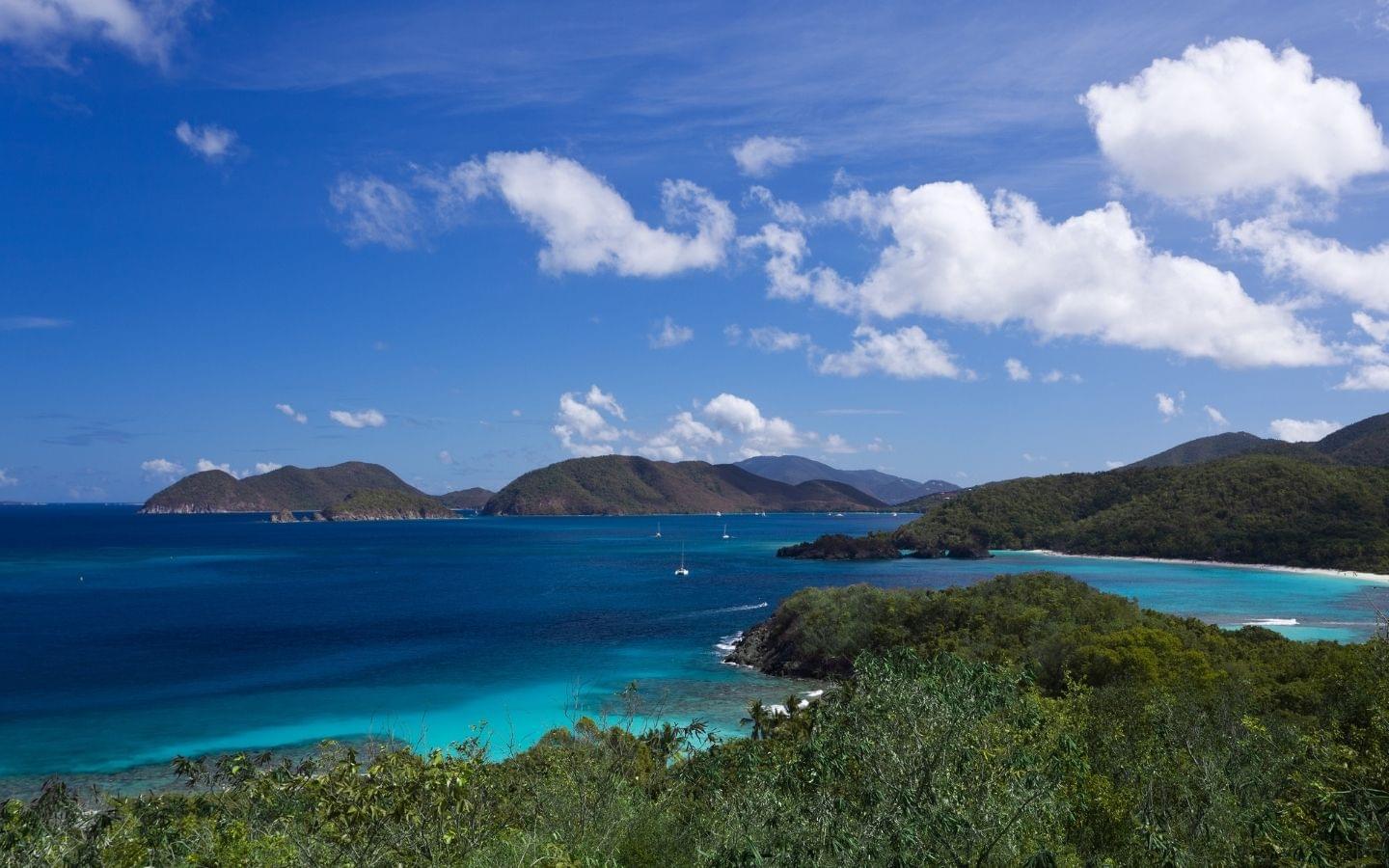
Some islands put living reef within a short swim of a public beach. Bonaire’s fringing reef comes ashore at Bari Reef and 1,000 Steps. Curaçao’s runs along its southern coast. Aruba has Mangel Halto, Malmok Beach and Boca Catalina. Bight Reef and Smith’s Reef on Providenciales are shallow enough to walk into. On islands like these you can snorkel twice a day for a week without booking anything.
Elsewhere the good water sits offshore. The best of the British Virgin Islands — the Norman Island caves, the rock formations at The Indians — is reachable only by boat. Tobago Cays in the Grenadines is a boat trip. Buck Island off St Croix is a boat trip. Klein Curaçao is a two-hour crossing each way.
That single difference sets your budget, your daily rhythm and how much a bad morning costs you. A shore island absorbs one; on a boat island it becomes a canceled excursion, a rebooking, and a day spent somewhere that is not the water.
The other things worth comparing
When you go. The Atlantic hurricane season runs from 1 June to 30 November, and activity is concentrated in August, September and October.1 That does not rule the region out — June and early July are warm, quiet and cheaper than the winter peak — but it is the largest single reason a Caribbean snorkeling week goes wrong, and it is what the price of your week is really tracking.
How busy you are willing to be. Stingray City in Grand Cayman and The Baths on Virgin Gorda are famous, and they are crowded accordingly. Waterlemon Cay in St John, Mangel Halto in Aruba and Knip Bay in Curaçao are none of those things, and they are the same water.
What you actually want to look at. Not every trip is about reef. Grenada has an underwater sculpture park, Mexico has the Cancún Underwater Museum, Dominica has volcanic gas bubbling up through the water at Champagne Reef, and Antigua, Aruba and Barbados all have wrecks sitting in snorkeling depth. Pick the thing you want to see and the island tends to pick itself.
Where to go, and where to read about it
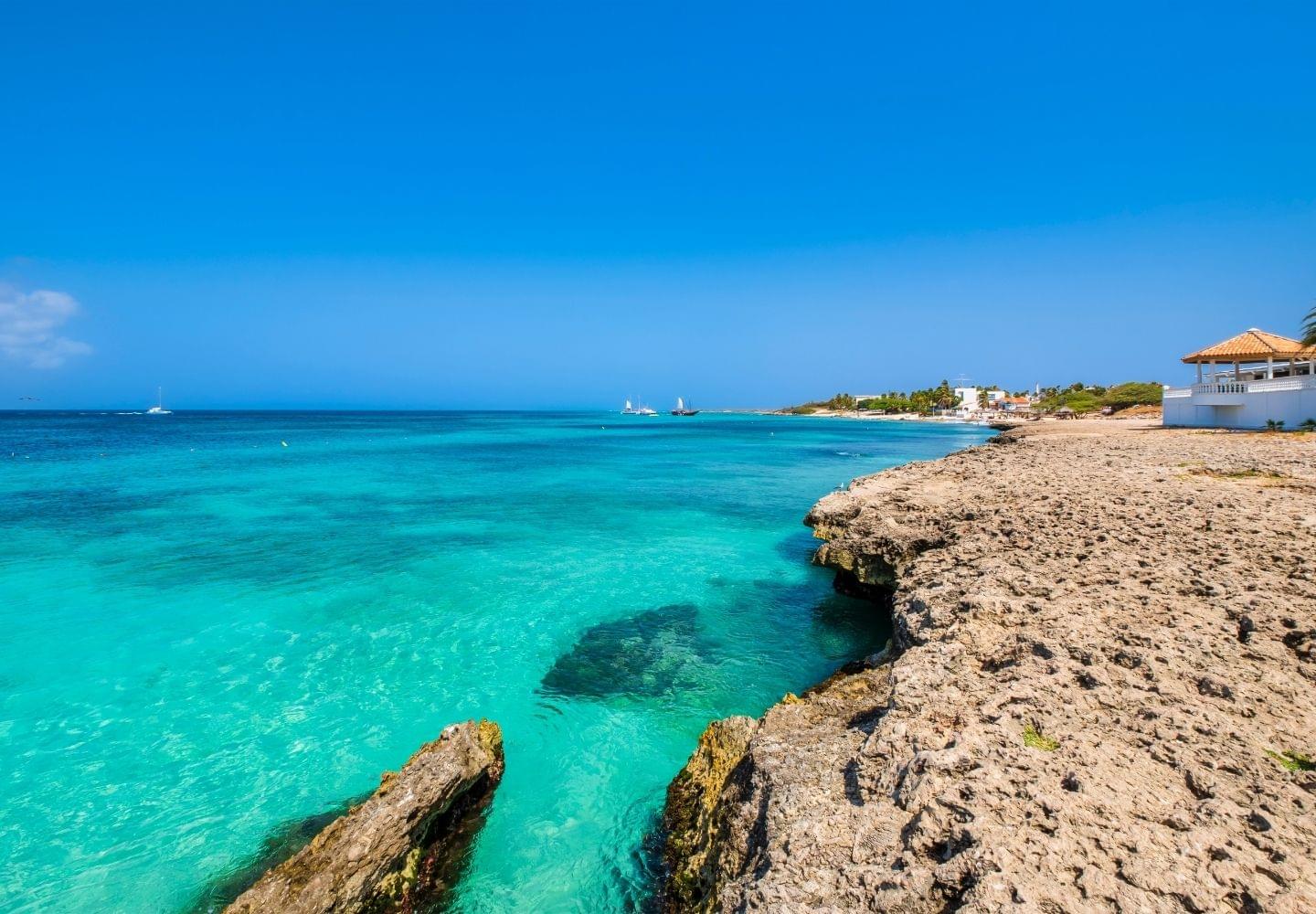
- U.S. and British Virgin Islands — the widest range of the lot, and two countries with two sets of fees. Trunk Bay, Waterlemon Cay and Coki Beach are all shore snorkeling; Buck Island off St Croix, the Norman Island caves and The Baths on Virgin Gorda need a boat or a crowd tolerance, sometimes both.
- Bonaire — the region’s shore-snorkeling benchmark. The whole coastline is a marine park, the reef starts at the beach, and Klein Bonaire is the one thing worth getting on a boat for.
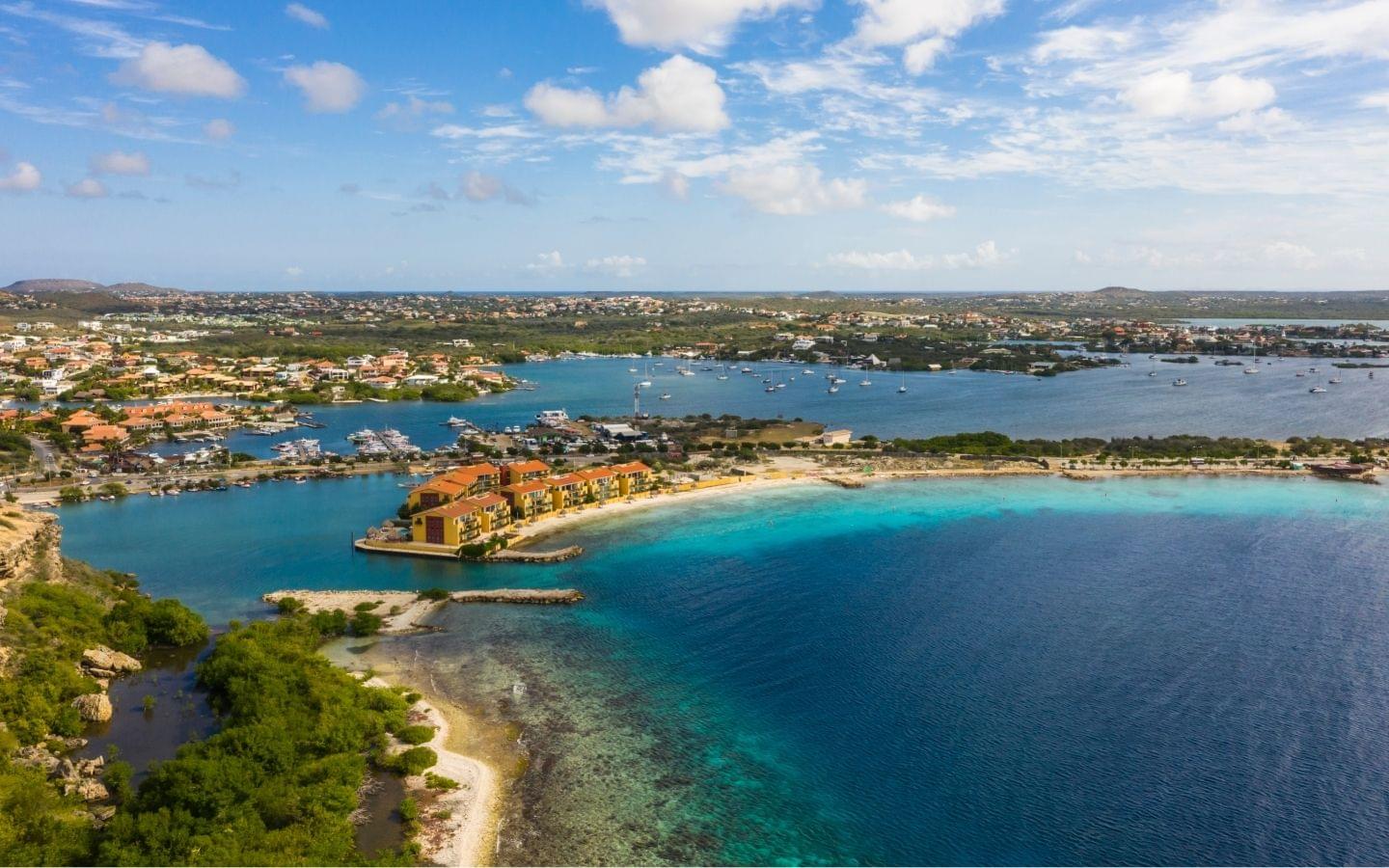
- Curaçao — Bonaire’s conditions with more beaches and more to do out of the water. The Tugboat wreck in Caracas Bay and the Blue Room Cave are the set pieces, and Knip Bay and Playa Piskado are the quiet ends.
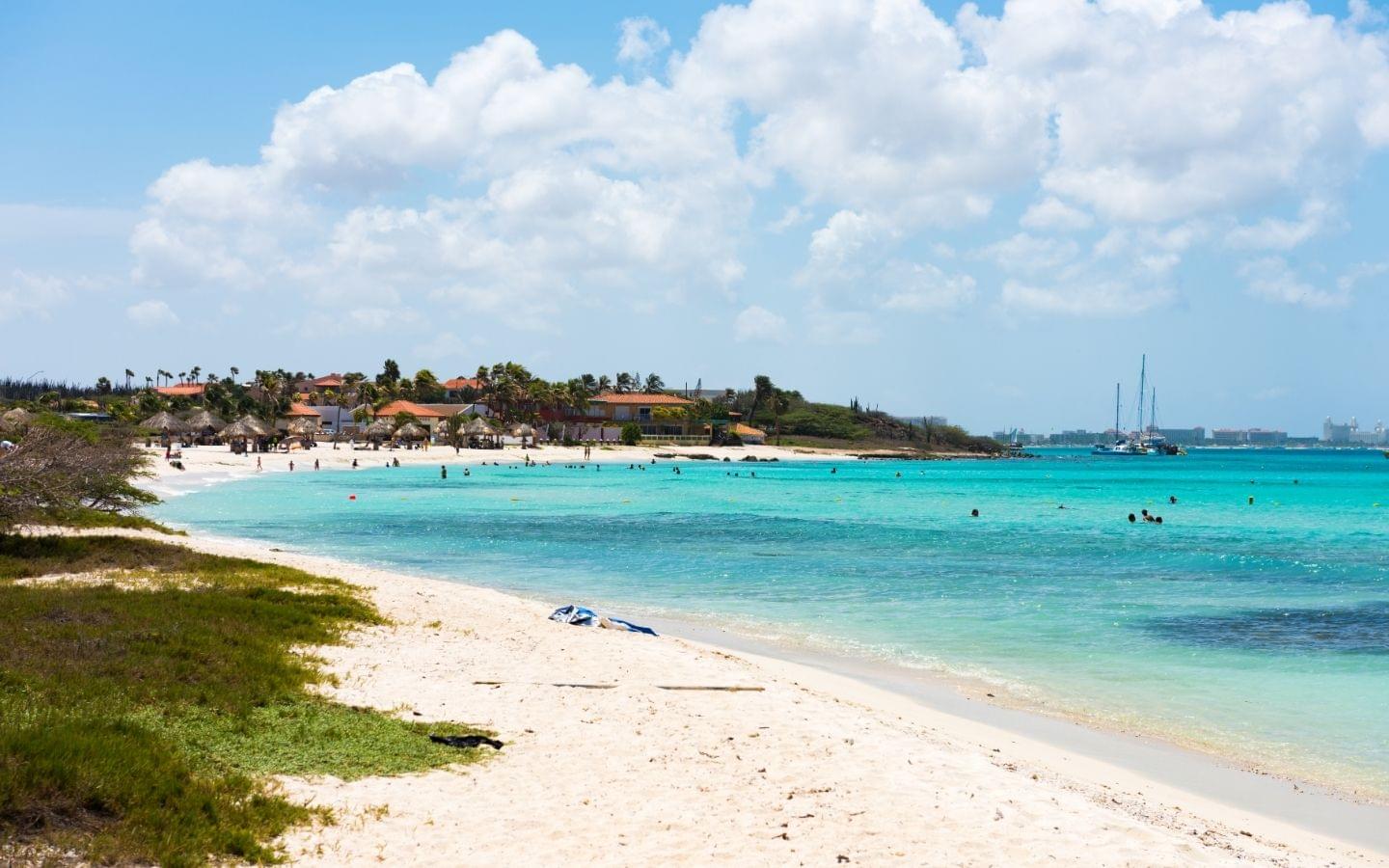
- Aruba — calm, beginner-friendly beaches at the northern end, and the 400-foot Antilla wreck lying offshore in Malmok Bay for anyone who wants a bigger day.
- Turks and Caicos — Bight Reef and Smith’s Reef on Providenciales are the easiest reef-from-the-beach in the northern Caribbean, with West Caicos Marine National Park for the offshore version.
- The Bahamas — spread across a great deal of water, so the island you choose matters more than usual. Grand Bahama for easy access, Bimini for big animals, the Exumas and Thunderball Grotto for the best of it.
- Cayman Islands — the Wreck of the Cali sits in fifteen to twenty feet of water in George Town harbor, and Bloody Bay Marine Park off Little Cayman has a wall shallow enough to snorkel.
- Puerto Rico — the easiest of these to reach from the US mainland, and the snorkeling is mostly on Culebra and Vieques rather than the main island.
- Dominican Republic — a week here is usually chosen for the price and the resorts, with the snorkeling as a good secondary reason rather than the main one.
- Antigua — reef and wrecks a short way offshore rather than underfoot. Cades Bay Marine Park is the highlight, and the Andes wreck at Deep Bay is the shallow one.
- St Martin and Sint Maarten — two countries on one island. Pinel Island has a marked underwater route built for beginners; Creole Rock is the boat trip.
- St Vincent and the Grenadines — Tobago Cays and Horseshoe Reef are as good as the region gets, and you will need a boat to reach any of it.
- St Lucia — reef directly off Anse Chastanet beach beneath the Pitons, which makes it one of the few places where the hotel and the snorkeling are the same decision.
- Barbados — six buoyed wrecks in Carlisle Bay Marine Park within reach of swimmers, plus the Stavronikita reef at Folkestone.
- Grenada — the Moliniere Bay sculpture park, easy beach snorkeling at Grand Anse and Magazine Beach, and Sandy Island off Carriacou if you have the extra day.
- Dominica — Champagne Reef, three marine reserves and almost no crowds. Nowhere else in the region looks like it, and nowhere else feels like it either.
- Jamaica — Negril and Montego Bay, both snorkelable straight from the beach, with Booby Cay and the Montego Bay Marine Park a short hop out.
- St Kitts and Nevis — quiet, uncrowded and a long way down most shortlists, which is most of the appeal.
- Mexico’s Caribbean coast — Cozumel’s reefs and Chankanaab, the Cancún Underwater Museum, and whale sharks off Isla Mujeres between June and August.
- Colombia’s Caribbean coast — the Rosario Islands, an hour by boat from Cartagena.
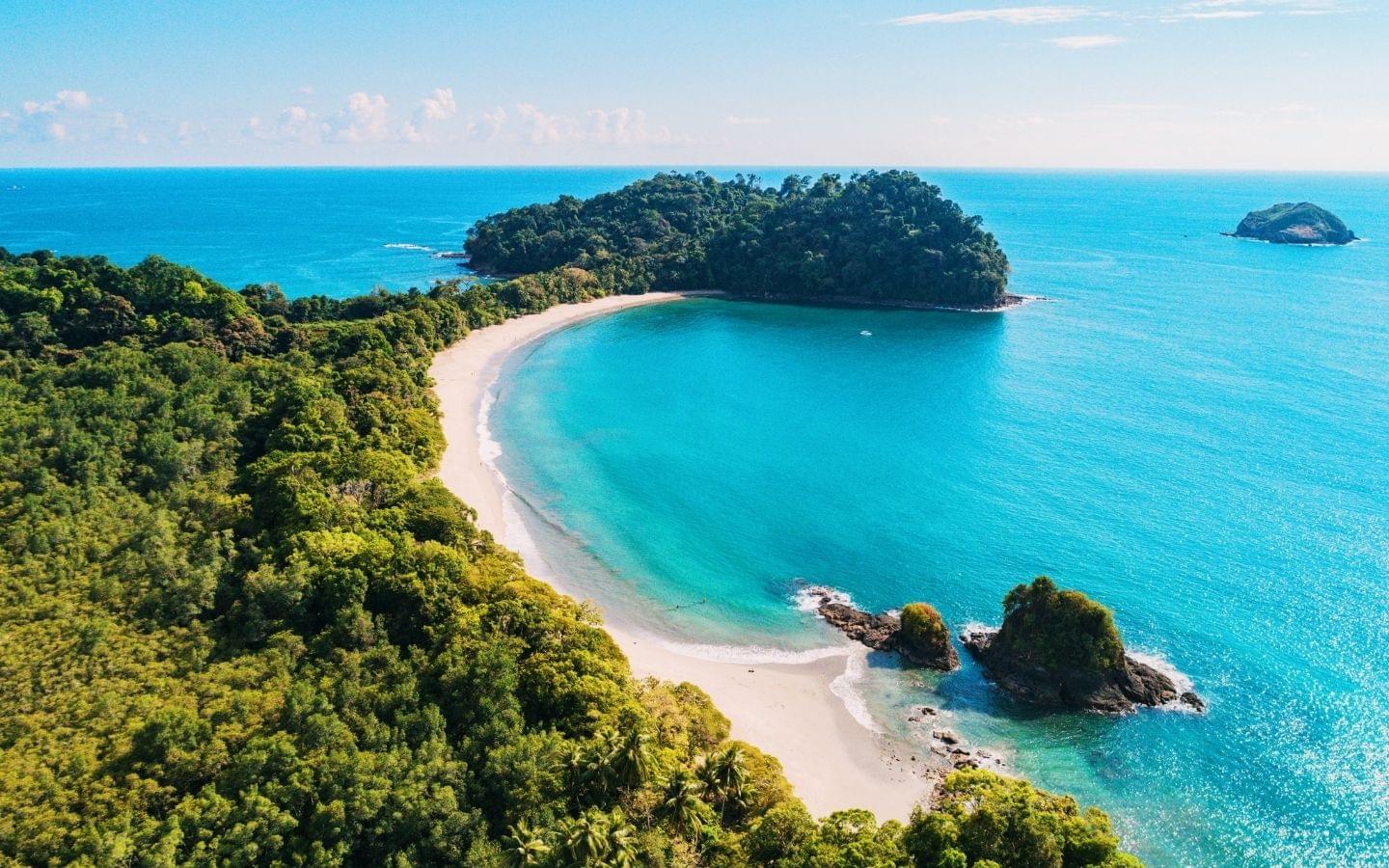
- Costa Rica — not an island, and the Pacific side is the better-known half. The guide covers both coasts and, more usefully, which months are worth the flight.
Snorkeling tours
Three of these come up repeatedly and are worth a look wherever you land. This four-hour boat trip from St Thomas stops at sites inside Virgin Islands National Park. Captain Bob’s six-hour speedboat tour from Philipsburg covers the French and Dutch sides of St Maarten in a day, with stops at Pinel Island, Tintamarre and Creole Rock. And this four-hour tour out of Isla Mujeres takes in the Cancún Underwater Museum and Manchones Reef.
On the two shore-snorkeling islands the boat trip worth adding is the offshore one: a catamaran day out to Klein Bonaire, and the full-day crossing to Klein Curaçao.
Where to stay
If the snorkeling is the point of the trip, stay where the reef is. In St Lucia, Anse Chastanet Resort and Jade Mountain sit on the beach the reef comes ashore at, with a dive center on site and gear included. Andros Beach Club in the Bahamas is the remote end of the same idea, with trips to the Andros barrier reef booked in house. Jungle Bay Resort & Spa in Dominica pairs the water with the hiking, and the Rockhouse Hotel in Negril is built above the caves and cliffs it lets you snorkel.
Resources
Footnotes
-
“Tropical Cyclone Climatology.” National Hurricane Center, NOAA. ↩

Rebecca Jambrovic — Snorkeling and kayaking guide
Rebecca lives next to the Adriatic Sea in Croatia, where she guides kayaking, stand up paddleboarding, and snorkeling tours. She is passionate about outdoor activities and enjoys writing pieces that inspire others to get outside.