Snorkeling
Snorkeling in St Kitts and Nevis: the wrecks, the boats, the train
St Kitts snorkels best where ships went down — a tug at White House Bay, a 2010 grounding at Shitten Bay. Which catamaran to book from Port Zante, what the train costs, and the three ways across to Nevis.
We earn a commission on purchases made through links on this page, at no extra cost to you. It never affects which products we recommend.
On this page
- White House Bay: the wreck bay
- Shitten Bay: the hike-or-boat wreck
- The walk-in entries: South Friars and Frigate Bay South
- Sandy Point: a dive site wearing a park’s name
- The boat day out of Port Zante
- The train, since you will be offered it
- Nevis: the calmer island, and the three ways across
- What the water is like now
- When to go
- Where to stay
- St Kitts and Nevis snorkeling FAQ
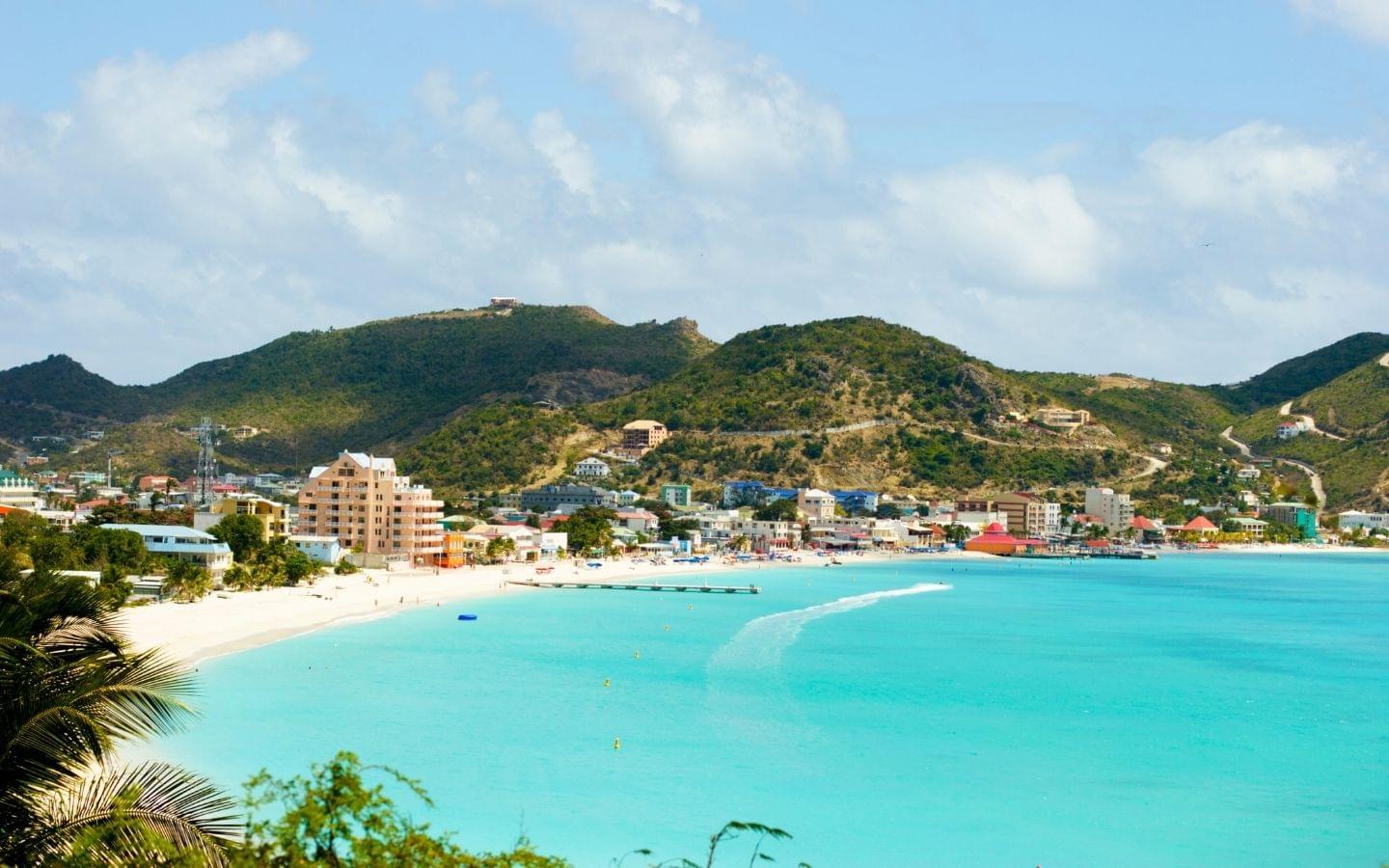
St Kitts is not a reef island. The reef that made its diving reputation sits off Sandy Point at fifty to a hundred and thirty feet, which is scuba, and the beaches the cruise brochures sell are sand-bottomed bars with a view of Nevis. What St Kitts has instead is a wreck coast: a drowned tug and an 18th-century troop ship in one bay, a hurricane casualty in the next, and a fleet of catamarans working the channel between the two islands out of a port that took over a million cruise passengers last season.1
I spent over ten years running boats out of another cruise port, and I read St Kitts the way I read Key West: the water is the easy part. What you are actually managing is the ship schedule, the boat you book, and the crossing to the quieter island next door.
The short version: snorkel the southeast peninsula’s wreck bays, take one catamaran day, and spend a night on Nevis.
White House Bay: the wreck bay
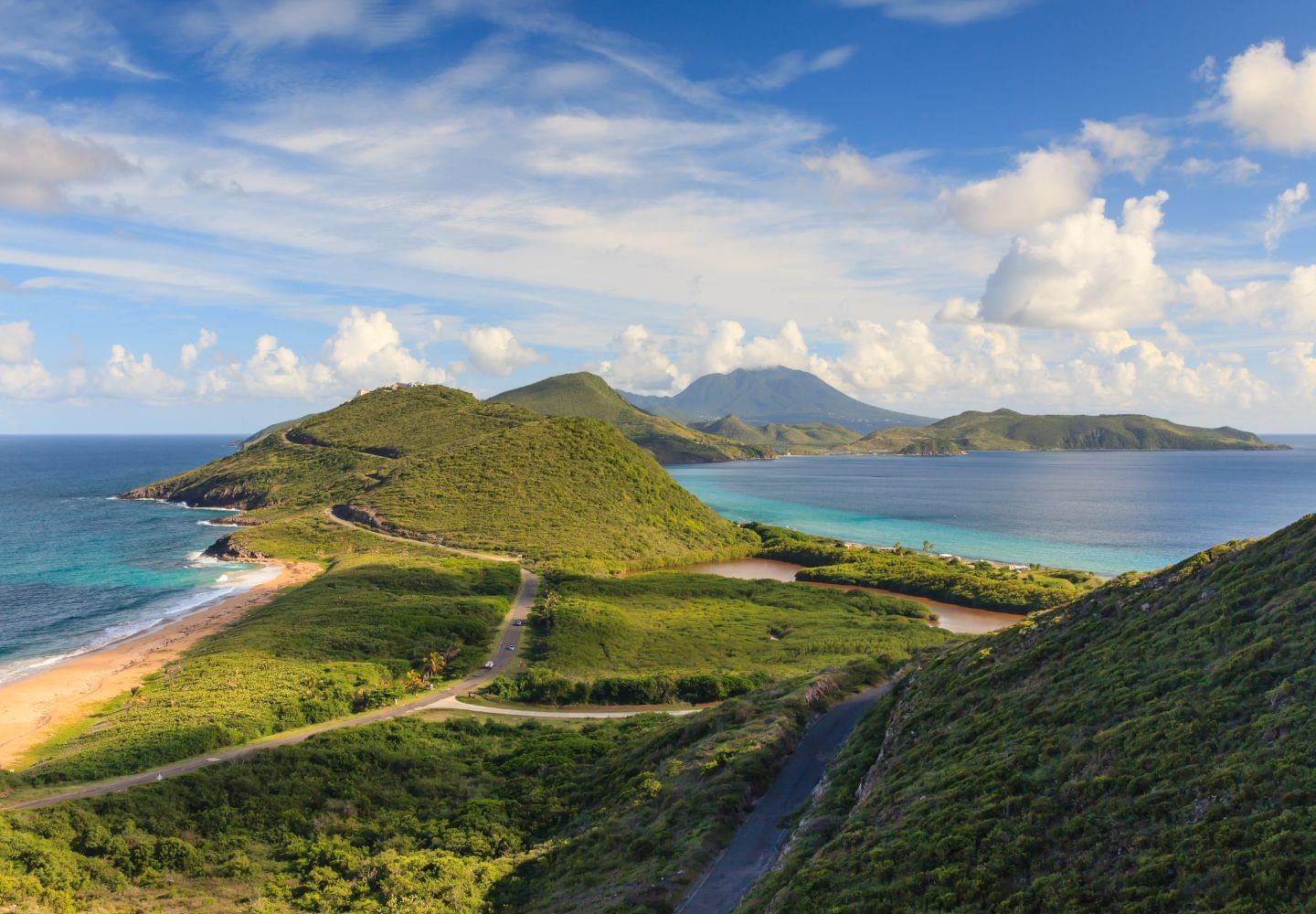
The best snorkeling on St Kitts is a rocky notch on the peninsula’s Caribbean side with no sand worth lying on. That is exactly why it works. A tugboat about forty feet long sits in roughly ten feet of water a short swim off the shore — deck plates gone to sponge and juvenile fish, a hull you can float over and read — and the same bay holds scattered remains from the 1782 fight for these islands, timbers and ballast the St Kitts maritime archaeology surveys have been mapping for years.2 Sergeant majors, snapper, squid over the seagrass, the odd turtle working through.
Three practical notes. The entry is rocks, not beach, and the shallows are paved with long-spined urchins; water shoes are not optional. The bay is Christophe Harbour’s yacht anchorage, so keep your head up and tow a bright vest or float in season. And Salt Plage, the bar that used to anchor an afternoon here, is closed, gate chained: bring your own water and plan lunch elsewhere.
Shitten Bay: the hike-or-boat wreck
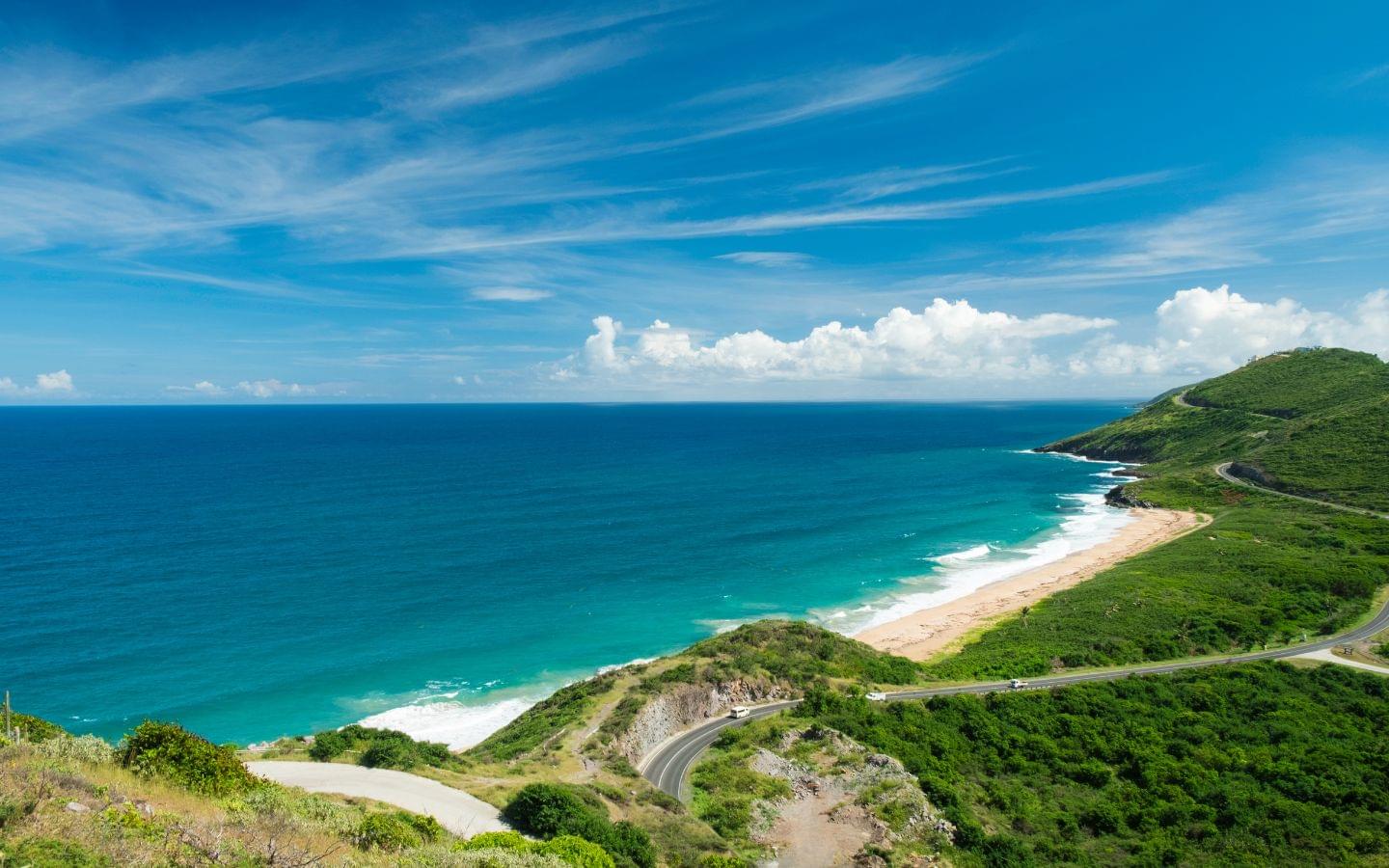
Around the peninsula’s south tip, Shitten Bay (the name comes from the shittah, the acacia on the hills behind it, whatever the boat crews tell you) holds a more modern casualty: a vessel driven aground by Hurricane Earl in August 2010, now settled in about eighteen feet with coral patches colonizing the steel. Octopus and turtles turn up here more reliably than anywhere else on the island.
No road reaches it. Either you come by water (a standard stop for the speedboat and catamaran circuits, and Dive Nevis runs a half-day snorkel safari across the channel from Oualie) or you walk the trail from Majors Bay, under an hour along an old riverbed, and have the wreck to yourself before the boats arrive. Past the point, Nags Head is where the Atlantic meets the Caribbean; the current rips through there, and it is a drift dive for experienced divers, not a snorkel extension.
The walk-in entries: South Friars and Frigate Bay South
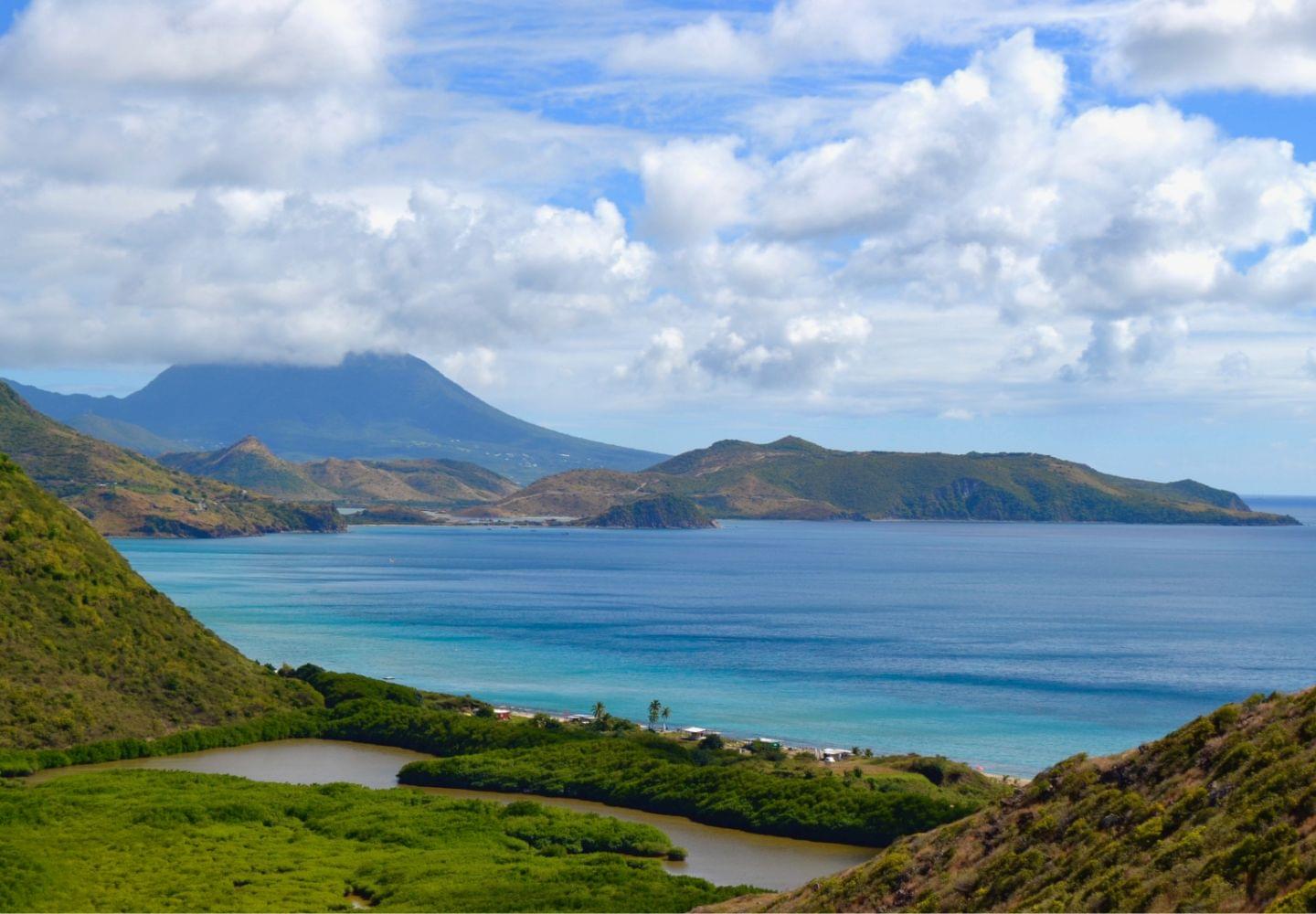
South Friars Bay is the honest beach compromise: a long Caribbean-side strand with beach bars and calm water, where the snorkeling lives at the rocky points and the middle is plain sand. Work the north end off Carambola or the south rocks by Shipwreck Beach Bar, which rents loungers and pours rum at the volume a cruise-day beach requires. Fifteen minutes from the port; the mid-beach bars charge about US$10 for a chair and umbrella.
Frigate Bay South (Timothy Beach) is where you snorkel if you never rent a car: the jetty by Timothy Beach Resort and the rocks at the far south end hold octopus, lobster, juvenile eels and rock pools of fry in water you can stand in. There are no lagoons here: a dock, a rock pile, and The Strip’s bars twenty yards away. As a first-timer’s entry with a drink afterward, it is hard to beat.
Cockleshell Bay, at the peninsula’s tip, is the postcard: Nevis fills the horizon across two miles of channel, and the bottom is seagrass and sand where the only reliable life hangs off the rocks by Reggae Beach Bar. Go for the view, the water taxi and the lunch; carry no reef expectations.
Sandy Point: a dive site wearing a park’s name
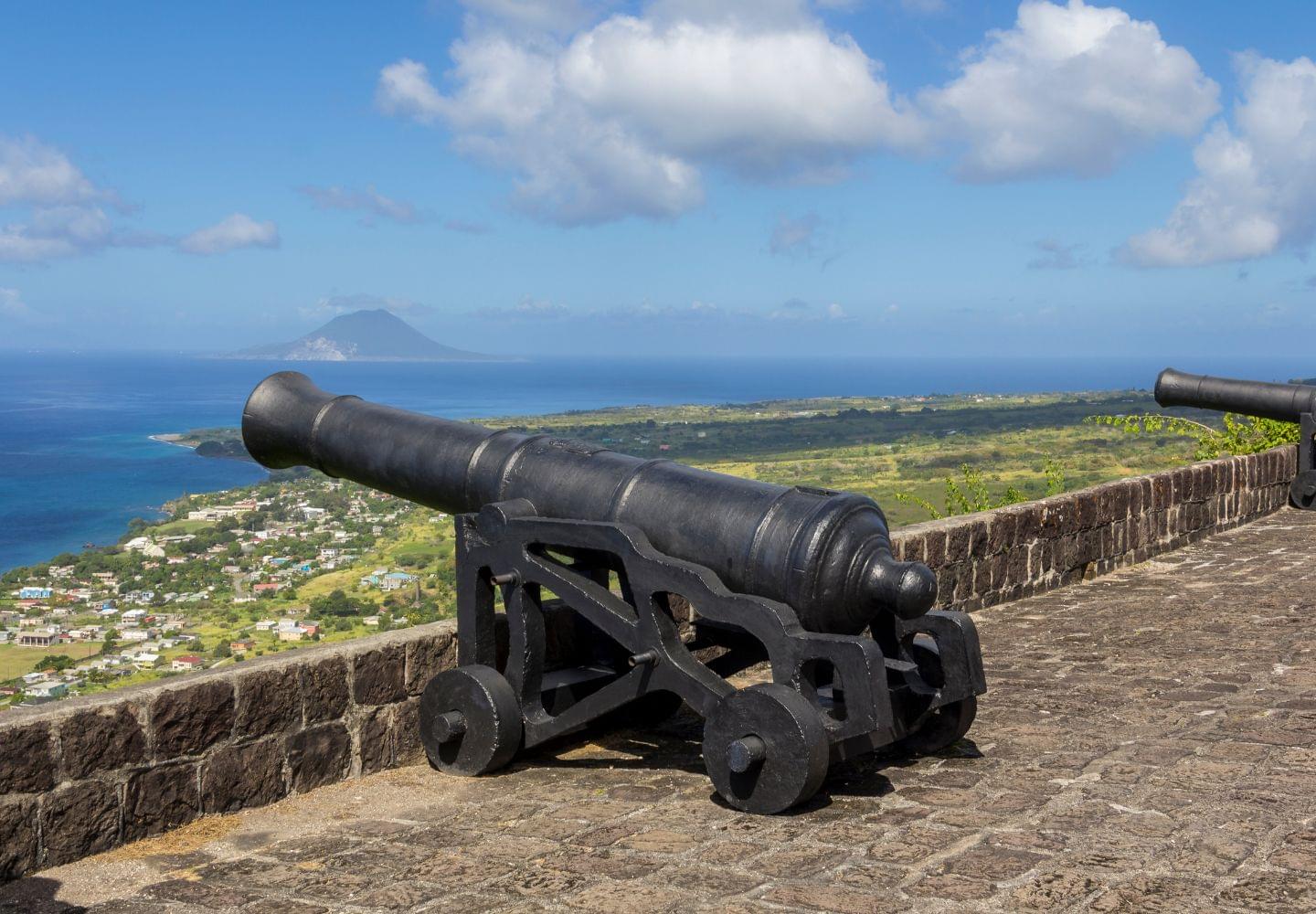
The northwest coast under Brimstone Hill carries St Kitts’ celebrated reef structure. It starts around fifty feet and runs past a hundred and thirty, which makes it a scuba stop, full stop. The “Sandy Point National Marine Park” label you will meet on tourism sites has no managed park behind it: no rangers, no fees, no visitor moorings. What actually exists is the St Kitts and Nevis Marine Management Area, a two-mile zoned belt around both islands declared in 2016, still waiting on most of its regulations.3 The shore option here is Pump Bay by Sandy Point town — a real entry, for experienced snorkelers on calm days only. Everyone else sees this coast from a dive boat or not at all.
The boat day out of Port Zante
The catamarans are the island’s snorkeling infrastructure, and they leave from Port Zante Marina in the middle of Basseterre, walking distance from the ship, which is why this port works so well on a six-hour call. Two operators dominate: Blue Water Safaris with its cat fleet, and Leeward Islands Charters, the original operation, whose four-hour sail-snorkel-lunch runs a published US$80 a head. Treat that as the price anchor for everything else you are quoted.
What converts, in order of what this page’s readers actually book:
- The deluxe catamaran snorkel with lunch: the standard half-day. Sail down the peninsula, snorkel Shitten Bay or White House, open bar back.
- The full-day catamaran to Nevis: the channel crossing under sail, a snorkel stop, and Pinney’s Beach with lunch. The best single day on the water here.
- The mini speedboat adventure: drive your own two-seater down the coast to a wreck-bay snorkel. The fun-per-hour pick, and the one to book early because the fleet is small.
- A private power catamaran for groups who want the schedule to themselves: three and a half hours, your snorkel stops, your music.
Morning departures beat afternoon in winter: the trades build through the day, and the channel chop with them.
The train, since you will be offered it
The St Kitts Scenic Railway is the one non-water excursion this page endorses, because it pairs so cleanly with a beach: three hours (eighteen miles of narrow-gauge line through the old sugar estates in a double-decker car, the loop closed by bus) and you are back in time for South Friars by early afternoon. US$119–159 depending on who sells it to you, schedule keyed to the ship calendar.4 “The last railway in the West Indies” is the operator’s slogan; Cuba and Jamaica would like a word. It is still the best three hours you can spend on this island in shoes.
Nevis: the calmer island, and the three ways across
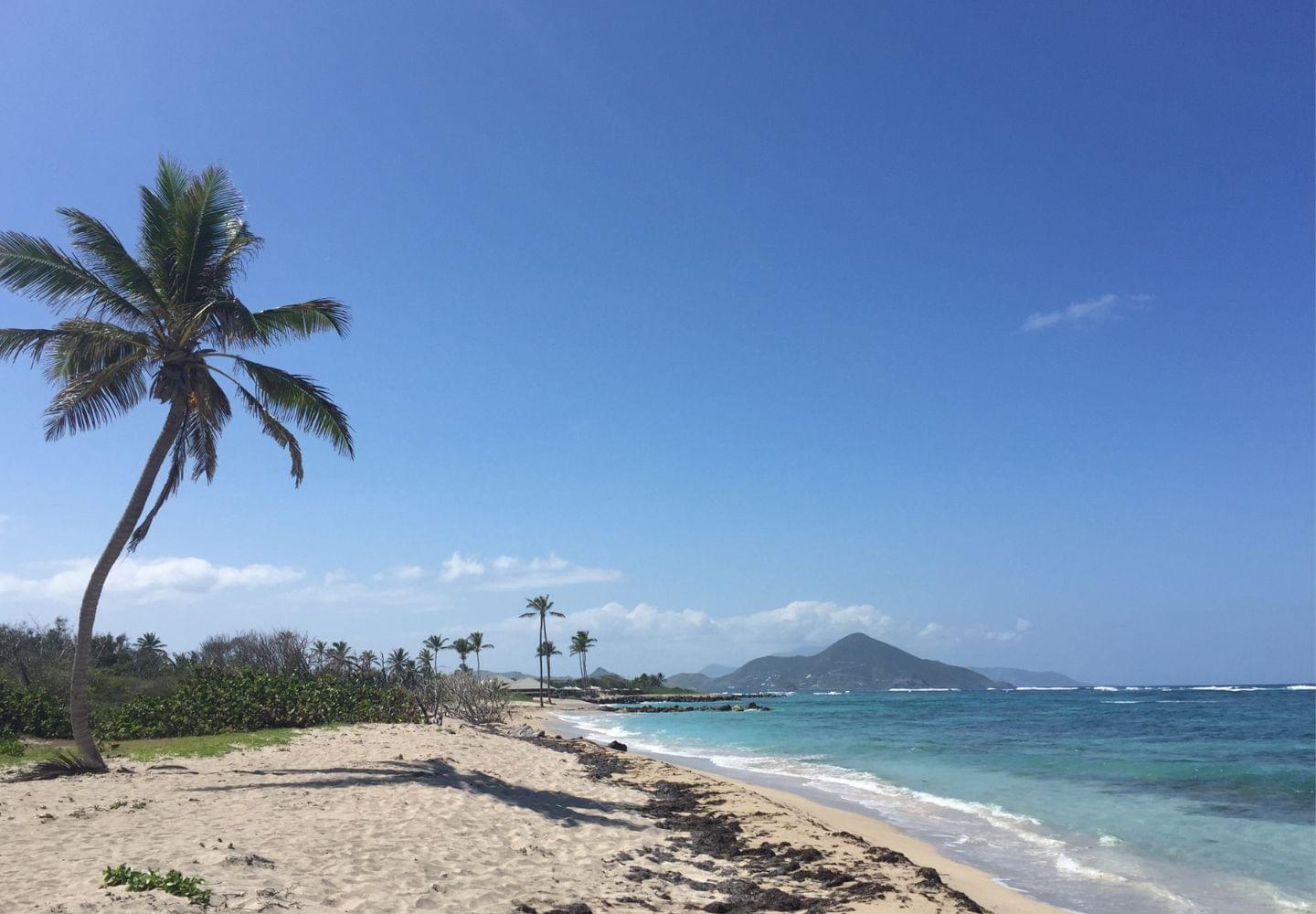
Nevis is what St Kitts was before the port grew: one volcano, one coast road, no ship berth. Its snorkeling sorts by exposure. Oualie Beach is the protected base: calm, shallow, beginner-friendly, with Dive Nevis running its 2.5-hour snorkel safari at 1:30 daily. Pinney’s Beach, the three-mile west-coast strand, snorkels at its rock piles and the breakwalls off the Four Seasons, with turtles in the grass. Herbert’s Beach by Newcastle is the island’s best reef and its most conditional: Atlantic-side, dirt-track access, no facilities, and strictly a flat-day call. The reef starts a short swim out and holds rays, octopus and the fish density the calm coast lacks. Neighboring Lovers Beach belongs to nesting turtles between April and November; leave it to them after dark.
Crossing is half the fun and cheaper than it looks. The passenger ferries run Basseterre to Charlestown in 45–60 minutes for about EC$25 plus a dollar of pier tax, several sailings a day.5 The Sea Bridge car ferry crosses the Narrows from Majors Bay to Cades Bay in 25 minutes on a schedule best treated as advisory. And the water taxi from Reggae Beach to Oualie does the two-mile hop in about ten minutes for roughly US$20 a head shared: the right move if you are already at Cockleshell staring at Nevis, which everyone eventually is.
What the water is like now
Nobody selling excursions will tell you this part, so here it is. Stony coral tissue loss disease reached St Kitts and Nevis by mid-2022 and works through the same brain and star corals here as everywhere in the region.6 The heat has been worse: the Narrows cell logged 18 degree heating weeks in October 2023 and 21 in November 2024, past the threshold where mass coral mortality begins, before 2025 came in easier and 2026 has run clean so far.7 What that means at snorkel depth: less live hard coral than the photos from five years ago, fish life still good, wrecks unaffected — steel does not bleach. Sargassum takes the Atlantic and southeast shores in early summer; the Caribbean-side bays this page recommends mostly stay clear.8
When to go
Late April through May is the pick. Dry-season calm holds, the water is warming toward 82 °F, the cruise crush fades, and you are ahead of both the sargassum peak and the storm season. February and March bring the flattest seas and the fullest port: the peak week of the 2025–26 season put 58,000 cruise passengers through Basseterre in seven days, and on a four-ship day every catamaran, taxi and beach bar runs at capacity.1 September and October are the months to skip: peak hurricane exposure, and the island half-shut. If you are cruising in winter, book the boat before you sail, not on the dock.
Where to stay
Frigate Bay South is the only base where you walk from bed to a snorkel entry: Timothy Beach Resort sits on the sand by the jetty you will snorkel, dated rooms and all, and The Strip is next door. The southeast peninsula puts you closest to the wreck bays and the Nevis water taxi, with the Park Hyatt at Christophe Harbour on Banana Bay as the luxury anchor. On Nevis, base at Oualie for the dive shop and the protected water, or Charlestown if you are building a two-island trip around the ferry.
St Kitts and Nevis snorkeling FAQ
Frequently asked questions
Where is the best snorkeling in St Kitts?
White House Bay. A forty-foot tugboat sits in about ten feet of water off the rocky shore, with the remains of an 18th-century troop ship nearby; fish-thick, easy to reach, and interesting in a way beach snorkeling here is not. Wear water shoes; the shallows carry serious urchins.
Can you snorkel St Kitts on a cruise day?
Easily; this is one of the Caribbean's friendliest ports for it. The catamarans leave from Port Zante Marina, steps from the ship, and a half-day sail with snorkeling and lunch runs about four hours. Prefer land? A taxi to South Friars Bay takes fifteen minutes; agree the fare before you get in.
Is the St Kitts Scenic Railway worth doing?
On a two-activity day, yes. Three hours (eighteen miles by narrow-gauge train through the old cane estates, the rest by bus) pairs cleanly with an afternoon beach. Book it as an excursion or independently at US$119–159. It sells as the last railway in the West Indies; that is a slogan, not a fact, but the ride earns its keep.
Is Nevis better than St Kitts for snorkeling?
Calmer, smaller, less built — and more weather-dependent. Oualie Beach is the protected, beginner-friendly base with the dive shop. Herbert's Beach, the best reef on the island, faces the Atlantic and only works on flat days. Pinney's is rocks and breakwalls with turtles. Cross by ferry and give it a night.
Resources
Footnotes
-
Port Zante cruise schedule and season figures — ~454 calls and 1M+ passengers projected for 2025–26; 58,000 passengers the week of 18–24 January 2026, wicnews.com. ↩ ↩2
-
White House Bay wrecks — the tug and 18th-century remains associated with the 1782 Battle of Frigate Bay period, dive-the-world.com. ↩
-
St Kitts and Nevis Marine Management Area, declared 18 August 2016, Department of Marine Resources, dmrskn.com. ↩
-
St Kitts Scenic Railway format and pricing across resellers, travel.usnews.com. ↩
-
Basseterre–Charlestown ferry schedule and fares, naspakn.com and discoverstkittsnevis.com. ↩
-
AGRRA Caribbean stony coral tissue loss disease tracking, St Kitts and Nevis confirmed by mid-2022, agrra.org. ↩
-
NOAA Coral Reef Watch 5 km Degree Heating Weeks, cell 17.225 N −62.625 W (the Narrows): 18.03 on 2023-10-24, 21.22 on 2024-11-09, 10.37 in 2025, near-zero through 2026-08-14; retrieved 16 August 2026 via PacIOOS ERDDAP. ↩
-
University of South Florida Sargassum Watch outlook bulletins, 2026 season, optics.marine.usf.edu. ↩

Nick Brisson — Co-founder, OutsiderView
Nick was born in Florida and grew up in Puerto Rico. He spent over ten years in Key West working in the boat charter industry, put four to five years into snorkeling and spearfishing the Florida Keys reef, and lives in Jacksonville Beach now, where he surfs year-round.