Snorkeling
Snorkeling in Anguilla: Shoal Bay, Little Bay and the offshore cays
Anguilla snorkels on fish and clear water, not coral gardens — and the boats are cheap. Calvin's $15 run to Little Bay, Sandy Island's shuttle season, the Shoal Bay drift, and the ferry arithmetic from St Martin.
We earn a commission on purchases made through links on this page, at no extra cost to you. It never affects which products we recommend.
On this page
- Shoal Bay East: the drift, and the honest reef
- Crocus Bay and Little Bay: the $15 classic
- Sandy Island: lunch with a reef around it
- The west end: Meads and Barnes
- The east end: a galleon, a BBQ, and the seaweed truth
- Prickly Pear: the cays and the ten-kilometer reef
- The day-trip arithmetic from St Martin
- The rules of the water
- What the water is like now
- When to go
- Where to stay
- Anguilla snorkeling FAQ
Anguilla sells itself on beaches, and the beaches deliver. The snorkeling is a different product than the brochures suggest, and I will give it to you the way a boat crew would rather than the way a resort site does: the coral here has been through two disease outbreaks and the worst heat the Caribbean has recorded, and what remains on the famous reefs is mostly framework wearing algae. What Anguilla still does better than almost anywhere is water — visibility that embarrasses bigger islands — plus fish, rays, turtles, and a small-boat access economy where the best trips cost $15 and $40, not $150.
Snorkel Shoal Bay East for the drift, take Calvin’s boat to Little Bay, catch the shuttle to Sandy Island, and if you want a proper day afloat, the sloop out of Sandy Ground is the one to book.
Shoal Bay East: the drift, and the honest reef
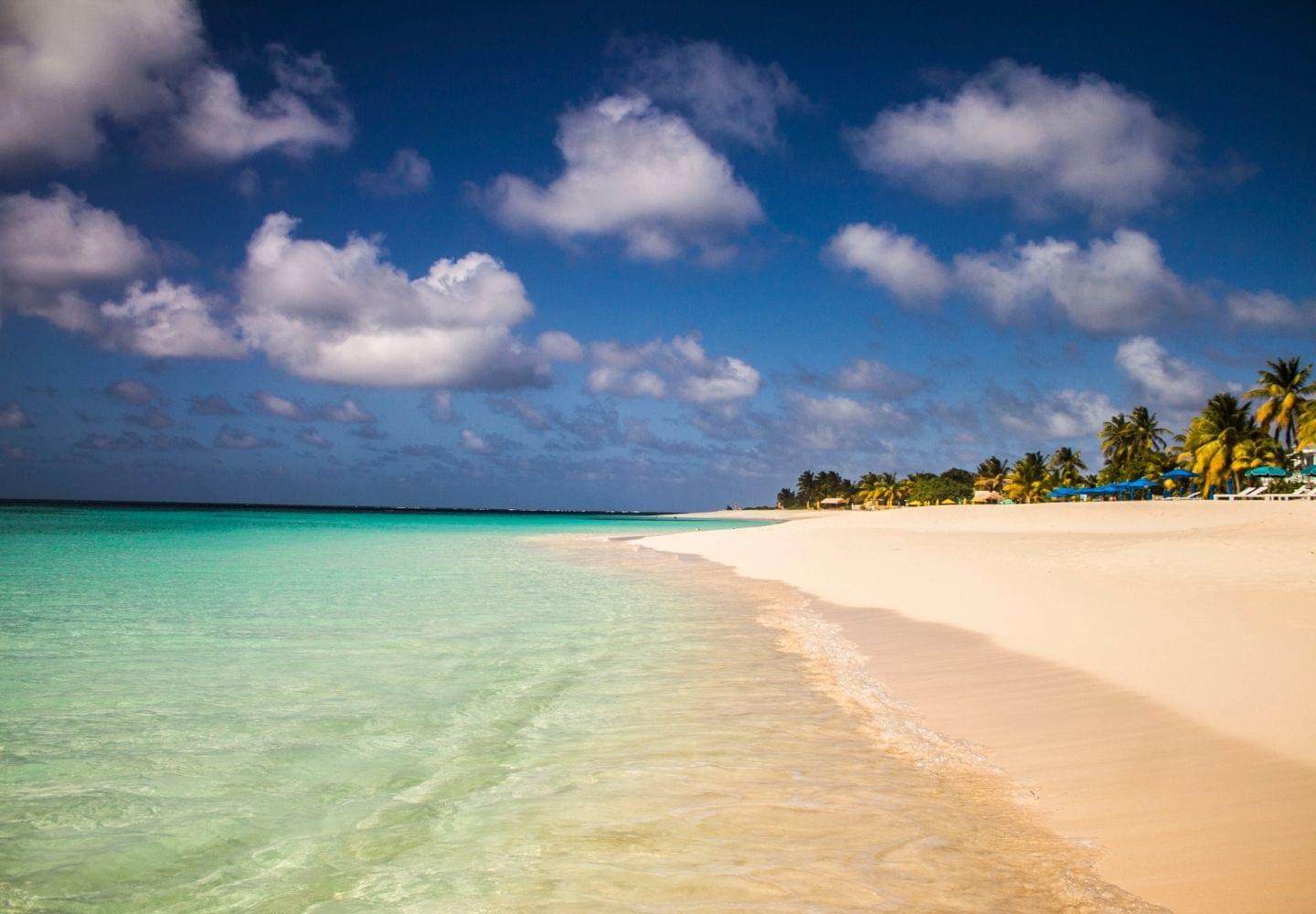
Two miles of white sand with the island’s most accessible reef structure, and a routine worth doing properly: walk to the far eastern point past Elodia’s, enter through the sandy channel, and drift west along the reef line with the current doing the work. The inner flat sits around ten feet: blue tangs in schools, parrotfish, grunts, sergeant majors, barracuda hanging in the glare, eagle rays over the sand seams. The outer edge drops past sixty feet and belongs to confident swimmers on calm days; the current wraps the point harder than the postcard suggests, and it is a two-hundred-yard swim out.
The coral on this reef is largely dead framework under algal turf, with surviving elkhorn and mustard hill colonies scattered through it: the 2017 hurricanes ate forty feet of the eastern dunes, the disease years followed, and the 2023–24 heat finished the argument.1 It is still the best easy reef swim on the island; it is just not the reef of the postcards. Come for fish, structure and that water; anyone promising coral gardens is reading from an old script. In big sargassum years this end of the island catches the rafts, so check conditions before building your day around it.2
Chairs, bars and rental shacks line the beach; the snorkeling end stays quieter than the middle. Gear rents on the sand, though your own mask beats anything rented; see our travel-gear picks.
Crocus Bay and Little Bay: the $15 classic
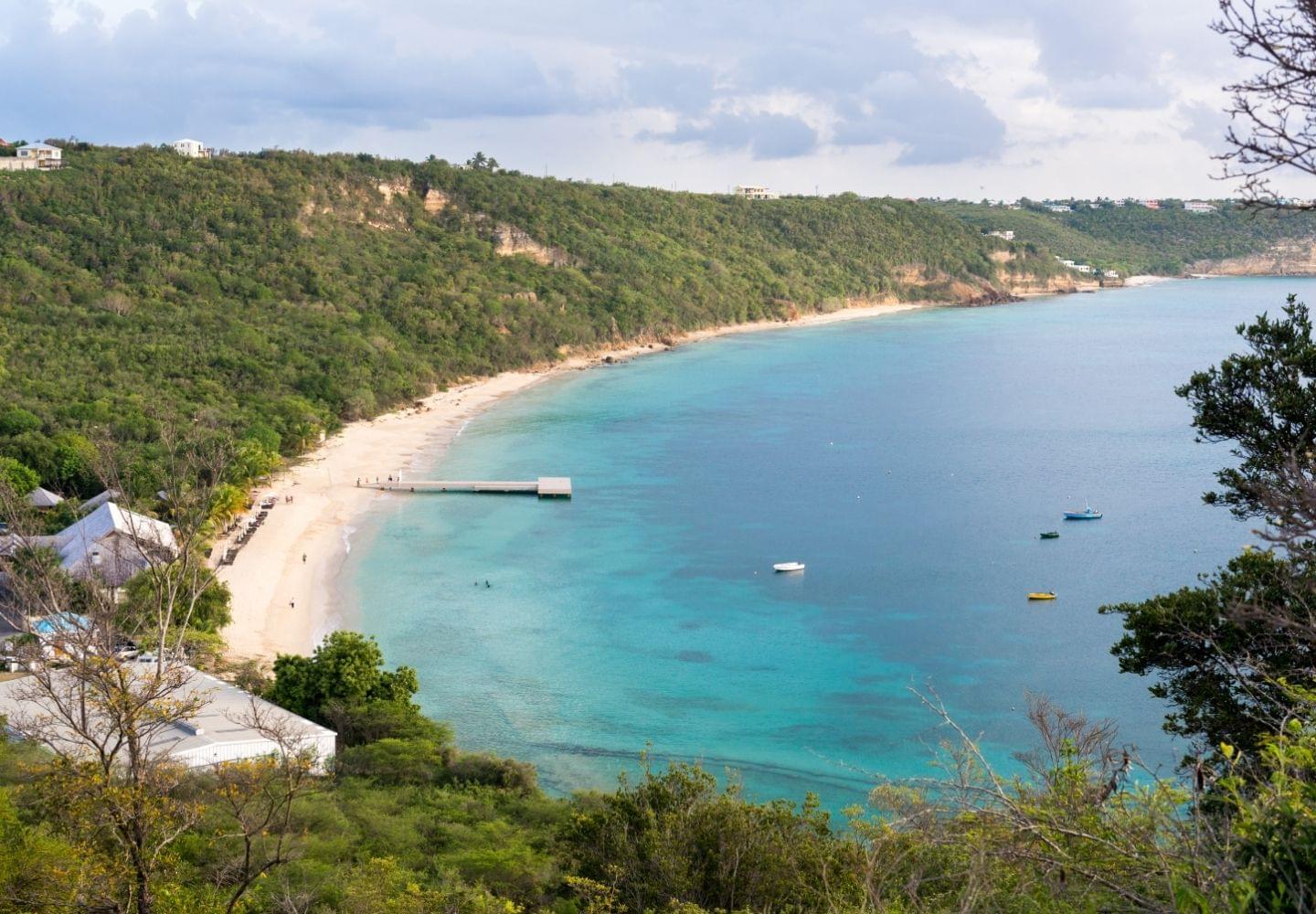
Crocus Bay is the calm-water workhorse: enter in front of da’Vida, snorkel the cliff edges for squid, trumpetfish and the coral heads the sand bays lack, and rent a kayak or paddleboard if you want to work the coastline. Chairs come free with lunch, and the kitchen is a reason to stay.
Little Bay, one headland north, is the trip. A pocket of green water ringed by cliffs, reachable only by sea. Calvin runs the shuttle from Crocus Bay, about US$15 round trip, found under the tamarind tree. The bay is a marine park with a 100-meter interpretive snorkel trail laid in by the National Trust and the fisheries department.3 Turtles graze the bay most mornings, with squid, trunkfish and barracuda over the rock. Two changes from the old days: the rope that used to let you scramble down the cliff is gone, so the boat is the way in, and anchoring is banned outright. The jump rock in the bay keeps its rope, and the teenagers keep using it.
The half-day sail and snorkel to Little Bay aboard Tradition — a genuine West Indian sloop out of Sandy Ground — is the graceful version: Wednesday and Friday mornings, about US$209 a head with GST, and the boat itself is half the point.4
Sandy Island: lunch with a reef around it
A spit of sand and palms two miles off Sandy Ground with a fringing reef, a bar, and grilled lobster that justifies the crossing. The sea shuttles (Happiness, Bliss, Joy, Euphoria) leave Sandy Ground pier roughly hourly from 11:00, US$40 round trip. Snorkel the reef line off the north side between courses; rays and the occasional turtle cross the sand flats. Sandy Island runs daily from 1 November to 31 July and closes from mid-August to mid-October except for group bookings, the storm-season pause that catches out anyone working from an old guidebook.5
The west end: Meads and Barnes
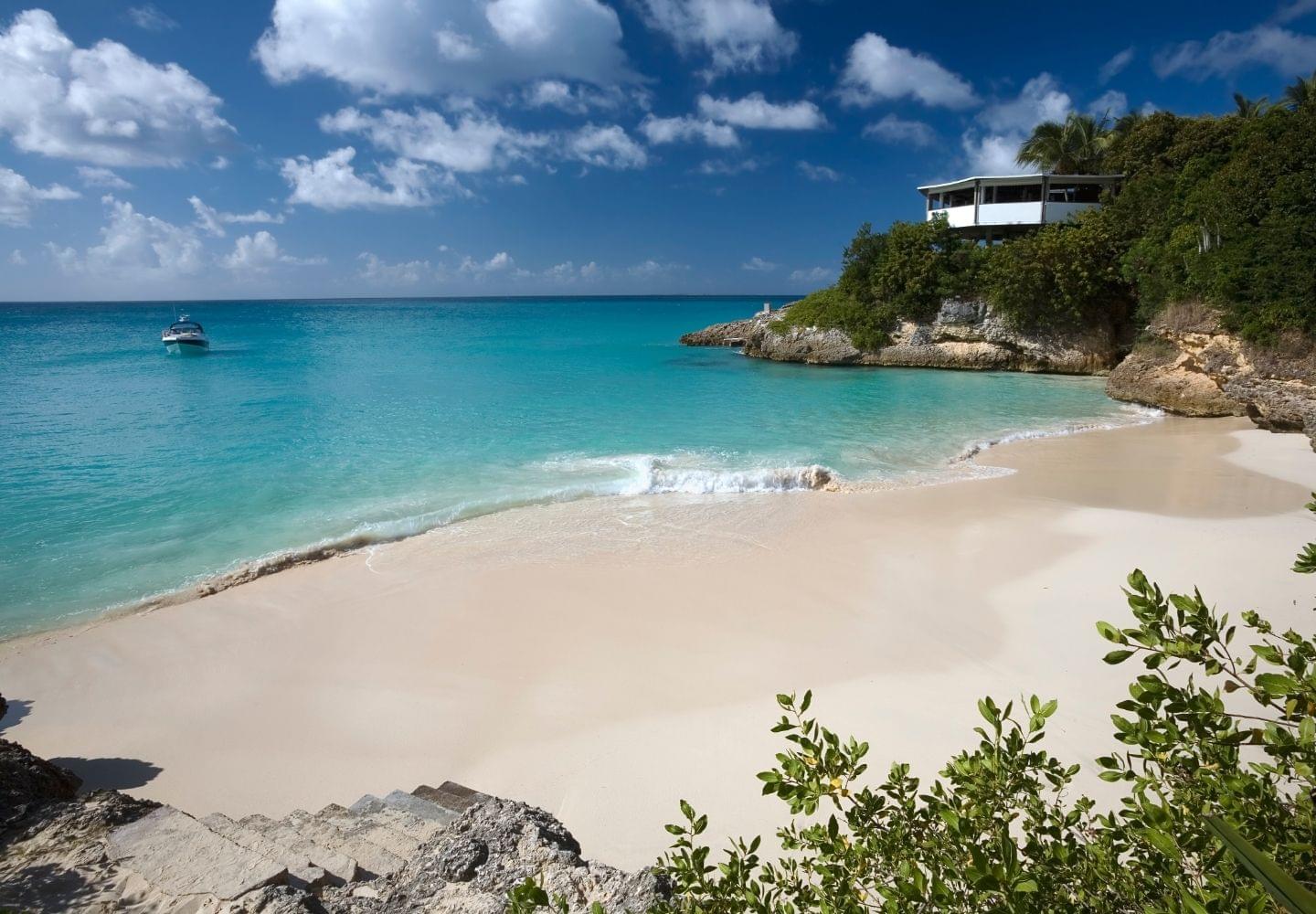
Meads Bay and Barnes Bay carry the island’s glamour hotels and its most misunderstood conditions. Winter is the rough season here. Ground seas roll in December through March and can close the shorebreak to swimmers entirely; summer runs flat and clear. Plan accordingly.
The snorkeling lives at the ends, not the middle: the rocks below Malliouhana on Meads’ eastern corner, the point between the two bays, and Barnes’ reef, which starts right off the sand and works out to deeper water; the prettier snorkel of the pair, rockier underfoot, with the Four Seasons above it and public access like every beach on Anguilla. French angelfish, moray eels, squirrelfish in the shadows.
The east end: a galleon, a BBQ, and the seaweed truth
Savannah Bay’s eastern hook — Junk’s Hole — is shallow, rocky-bottomed snorkeling over seagrass and scattered heads, with Palm Grove Bar & Grill (everyone says Nat’s) grilling crayfish at the sand’s edge daily. Wear booties, take the limestone track slowly in a sedan and stop at the beach; past it you want four-wheel drive. The story most visitors never hear: these waters are a designated heritage marine park protecting El Buen Consejo, a Spanish galleon lost in 1772; cannon and anchors are still on the bottom, and they are the reason nothing here may be touched or taken.3
Sandy Hill Bay, further south, doesn’t make the list: the cove is pretty and the reef rubble shelters it, but it sits among the island’s most sargassum-affected beaches, and a seaweed year buries it. Rendezvous and Cove Bay, likewise, are walking-and-swimming beaches: seagrass, turtles if you are lucky, no reef to speak of.
Prickly Pear: the cays and the ten-kilometer reef
Six miles north of Sandy Ground, the Prickly Pear Cays sit on the barrier reef that runs from here toward Anguilla’s north shore: ten kilometers of it, crest awash, the real structural coral of the island.3 Land on East Cay, where Prickly Pear Bar & Restaurant has grilled lobster and rum punch running since the 1980s, and snorkel the channels between the cays: nurse sharks under ledges, rays, turtles, tarpon in the deeper cuts.
Getting there is a day sail. From Anguilla, Tradition runs the Prickly Pear lobster-lunch day Tuesdays, Thursdays and Saturdays: six hours, about US$500 with GST, lobster included. From St Maarten, boats cross directly: the Prickly Pear day sail from Simpson Bay or the full-day Anguilla catamaran from Philipsburg with a Road Bay stop and BBQ.
The day-trip arithmetic from St Martin
Anguilla sits twenty-five minutes off St Martin, and half its snorkelers arrive that way. Two routes, different math. The public ferry Marigot–Blowing Point runs through the day at US$30 one-way, cash on board, plus a €7 head tax leaving Marigot and a US$11 Anguilla departure fee for day-trippers. Call it US$85 a head round trip before you have moved beyond the terminal, then taxis on top.6 The day-sail from St Maarten costs more but lands the snorkeling, lunch and transport in one ticket, and on a one-day budget it is the better spend. If you are staying on Anguilla, ignore all of this and use Calvin.
The rules of the water
Anguilla runs a real marine park system: Little Bay, Sandy Island, Prickly Pear, Shoal Bay–Island Harbour and Dog Island, with the Junks Hole galleon waters and Sombrero as heritage sites.3 What it means for you: day-use moorings only, no anchoring on coral or grass, nothing taken (no shells, no urchins, no souvenir sand dollars), and no jet skis anywhere in Anguillian waters, which is why the bays sound the way they do. Penalties run to EC$5,000, and the fisheries officers do patrol.
What the water is like now
Stony coral tissue loss disease was identified on Anguilla’s reefs in late 2021, and the heat followed: this cell logged 17.3 degree heating weeks in October 2023 and 21.5 in November 2024, the second past the threshold where most coral dies, before 2025 eased and 2026 has run essentially clean through mid-August.1 Surveys across the neighboring French islands after those seasons counted roughly a third of coral colonies dead.7 That is the context for everything above: the fish never left, the water never clouded, and the reef will be rebuilding for longer than any of us is booking trips.
When to go
May and June are the pick: settled seas, everything open, the summer calm arriving on the west-coast bays, and the storm season still ahead. Late November into early December is the runner-up as the island wakes back up. December to March brings perfect weather and the winter ground seas that can shut down Meads and rough up Shoal Bay’s outer reef. And know that Anguilla half-closes from late August through October: restaurants shutter after Carnival, Sandy Island pauses, and hotel choices thin to a handful.5
Where to stay
Shoal Bay East is the only base with the reef off the sand: Serenity Cottages sits steps from the eastern point where the drift starts, and Zemi Beach House is the luxury version of the same address. Sandy Ground puts you at the pier for Tradition and the Sandy Island shuttle, the boat-trip base. On the west end, Malliouhana sits directly above the Meads Bay snorkel rocks; book it for the calm summer months.
Anguilla snorkeling FAQ
Frequently asked questions
Is Anguilla good for snorkeling?
Good, with the right expectations. The coral took the region's disease and heat years hard, and what is left at Shoal Bay is mostly algae-dressed framework. What Anguilla still has: startlingly clear water, big fish life, eagle rays, turtles, and cheap, charming boat access. A $15 open boat reaches Little Bay; a $40 shuttle reaches Sandy Island.
How do you get to Little Bay?
By water only. Calvin runs the round trip from Crocus Bay for about US$15 a person (find him under the tamarind tree by the beach bar), or you paddle a rented kayak from da'Vida. The old rope up the cliff is gone, and the bay is a marine park: no anchoring, nothing removed.
Can you snorkel Anguilla as a day trip from St Maarten?
Yes, two ways. The public ferry from Marigot runs about 25 minutes at US$30 one-way cash, plus a €7 Marigot head tax and a US$11 Anguilla departure fee, then taxis. Simpler: a day-sail from Philipsburg or Simpson Bay that brings the snorkeling to you, BBQ included.
When is Sandy Island open?
Daily from 1 November through 31 July, with shuttles from Sandy Ground pier roughly hourly from 11:00, US$40 round trip. From mid-August to mid-October the island closes except for group reservations, the storm-season pause. The grilled lobster is the argument for going at lunch.
Resources
Footnotes
-
SCTLD identified in Anguilla, Nov–Dec 2021, JNCC; NOAA Coral Reef Watch 5 km DHW, cell 18.225 N −63.075 W: 17.31 on 2023-10-24, 21.52 on 2024-11-08, retrieved 16 August 2026 via PacIOOS ERDDAP. ↩ ↩2
-
Anguilla sargassum exposure by beach, Sargassum Information Hub, sargassumhub.org. ↩
-
Department of Fisheries and Marine Resources, Management Plan for Anguilla’s Marine Park System, gov.ai; Little Bay trail per the Anguilla National Trust. ↩ ↩2 ↩3 ↩4
-
Tradition Sailing published 2026 rates and schedules, tradition-sailing.com. ↩
-
Sandy Island season and shuttle details, mysandyisland.com; island off-season closures, anguilla-beaches.com. ↩ ↩2
-
Ferry fares and departure fees, Port de Marigot and gov.ai. ↩
-
IFRECOR post-bleaching surveys, French Lesser Antilles, 29–34% colony mortality, gcrmn.net. ↩

Nick Brisson — Co-founder, OutsiderView
Nick was born in Florida and grew up in Puerto Rico. He spent over ten years in Key West working in the boat charter industry, put four to five years into snorkeling and spearfishing the Florida Keys reef, and lives in Jacksonville Beach now, where he surfs year-round.