Snorkeling
Dominican Republic snorkeling: best spots, and is Punta Cana good?
The best snorkeling in the Dominican Republic is a boat ride out, at Catalina Island and Saona. Sosúa Bay is the best reef you can reach from the sand, and Punta Cana's reef is half a mile offshore. Where to go, what trips cost in 2026, when to go, and the rules.
We earn a commission on purchases made through links on this page, at no extra cost to you. It never affects which products we recommend.
On this page
- Where is the best snorkeling in the Dominican Republic?
- Which resort areas have a reef nearby?
- Catalina Island: the best reef
- Saona Island and the natural pool
- Is Punta Cana good for snorkeling?
- Sosúa Bay: the best snorkeling from the beach
- Cayo Arena: a sand island in clear water
- Samaná: whales first, then snorkeling
- La Caleta, near Santo Domingo
- When to go
- How healthy is the reef?
- The rules
- Frequently asked questions
The best snorkeling in the Dominican Republic is off the southeast coast, at Catalina Island and around Saona Island. You reach both by boat, and most boats leave from Bayahibe. The best reef you can swim to from the sand is Sosúa Bay, on the north coast. Most people stay in Punta Cana, where the reef is about half a mile out. You need a boat there too.1
I grew up in Puerto Rico, the next island over, and spent over ten years in the Key West charter boat trade. Here, like there, the good water is sold as a boat trip at your hotel’s tour desk. Your choice is which boat, from which coast. And if you were weighing Cuba’s resort islands, the DR is the closest trip like it that still runs smoothly this winter.
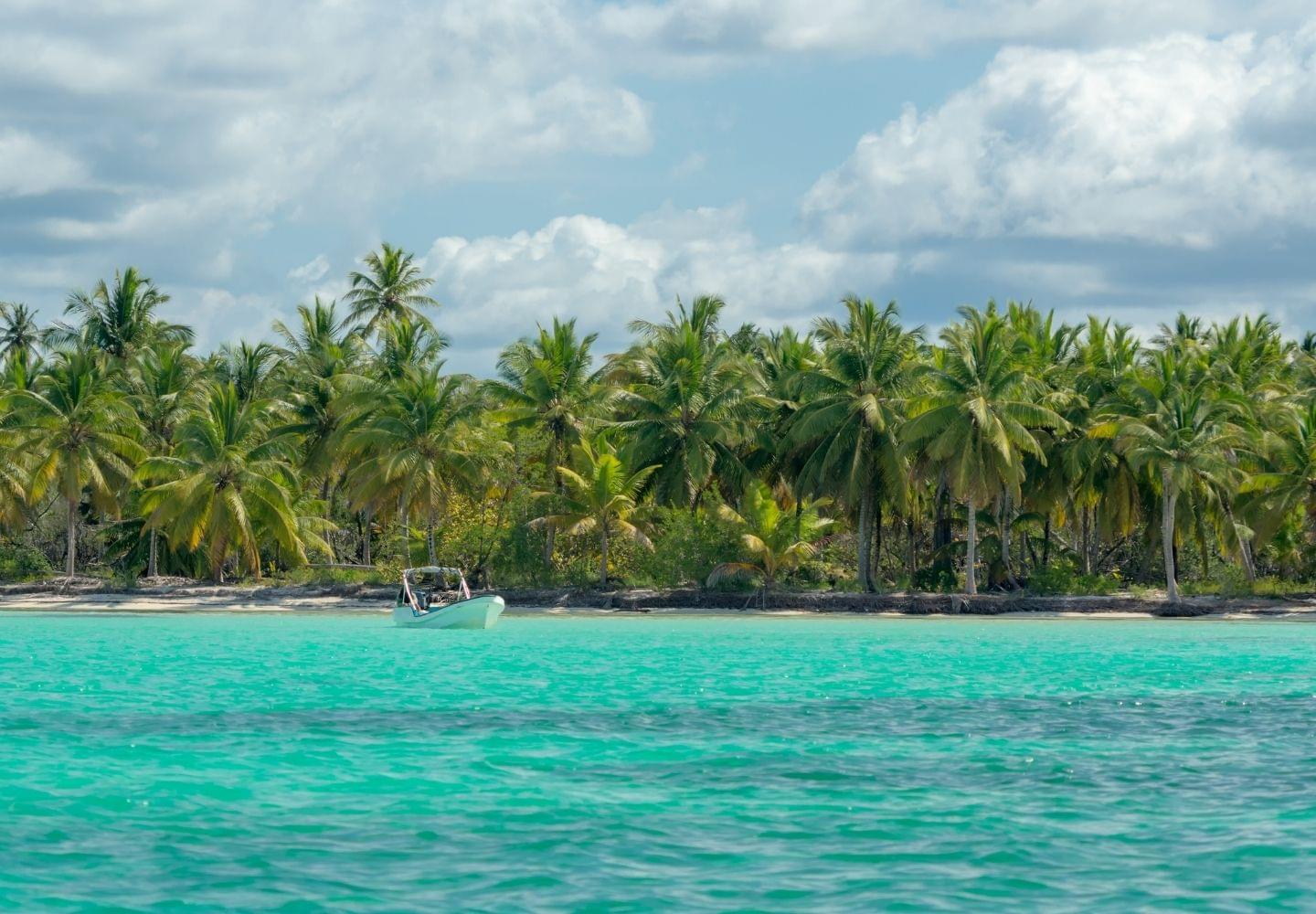
Where is the best snorkeling in the Dominican Republic?
| Spot | Coast | How you get in | Best for |
|---|---|---|---|
| Catalina Island | Southeast, off La Romana | Boat, 30 minutes from Bayahibe | The best reef and clearest water |
| Saona Island | Southeast | Boat from Bayahibe | Starfish, a beach day, shallow water |
| Punta Cana reef | East | Boat, half a mile out | An easy half day from Punta Cana |
| Cabeza de Toro | East, in Punta Cana | From the beach | The one small reef near Punta Cana’s shore |
| Sosúa Bay | North | From the beach | The best beach snorkel in the country |
| Cayo Arena | Northwest | Long drive, then a boat | A tiny sand island in clear, shallow water |
| Playa Frontón | Samaná | Small boat from Las Galeras | Clear water under tall cliffs |
| La Caleta | South, by Santo Domingo | Dive shop boat | A half day near the capital’s airport |
The wind here blows from the east most of the year. That makes the south coast the calm side, which is why most of the good boats work from there. The north coast takes big waves in winter. Puerto Rico, across the water, works the same way, and so do most islands on the Caribbean snorkeling map. Find the calm side, and you find the boats.
Which resort areas have a reef nearby?
| Where you stay | Reef nearby? | What to do |
|---|---|---|
| Bayahibe and Dominicus | Yes | Small reefs off the beach. Catalina and Saona boats leave from here |
| La Romana | Yes, by boat | Catalina Island is just offshore |
| Punta Cana and Bávaro | Not from most beaches | Take a reef boat, or ride to Bayahibe |
| Cabeza de Toro | A small one | Swim out from the beach |
| Puerto Plata | Not much | Go to Sosúa, a short drive east |
| Sosúa | Yes | Walk in from the beach |
| Samaná and Las Galeras | Some, by boat | Take a small boat to Playa Frontón |
| Boca Chica | By boat | La Caleta park is next door |
If snorkeling is the point of your trip, stay in Bayahibe. From Punta Cana, the bus to Bayahibe takes 60 to 90 minutes each way, on top of the boat day.2 From Bayahibe, you walk to the boat. Bayahibe’s hotels run from small guesthouses to big all-inclusives on Dominicus beach. Iberostar Selection Hacienda Dominicus is the one I’d pick. It’s a short walk to the dive boats, and there is some reef off its own beach.1
Catalina Island: the best reef
Catalina is a small, flat island off La Romana, and it has the best snorkeling in the country. It is a protected park. The small entry fee comes with your trip.
The main stop is The Wall, on the island’s north side. The top of the reef sits about 16 feet down. Then it drops away into deep blue water.3 Swim slowly along the top edge and look down. You’ll see parrotfish over the coral, yellow stingrays on the sand, and moray eels and lobster in the cracks. The deep part is for divers.
This is open water off a boat, not a walk in from the beach. If you are not a strong swimmer, wear a snorkel vest and float still. The second stop is shallow and sandy. That’s the easy one for kids.
From Bayahibe, the boat ride is about 30 minutes. ScubaCaribe charges $100 for the day. That covers the boat, gear, lunch, drinks and the park fee. From Punta Cana, the full-day Catalina snorkeling tour picks you up at your hotel. Trips like it cost about $125.1
Saona Island and the natural pool
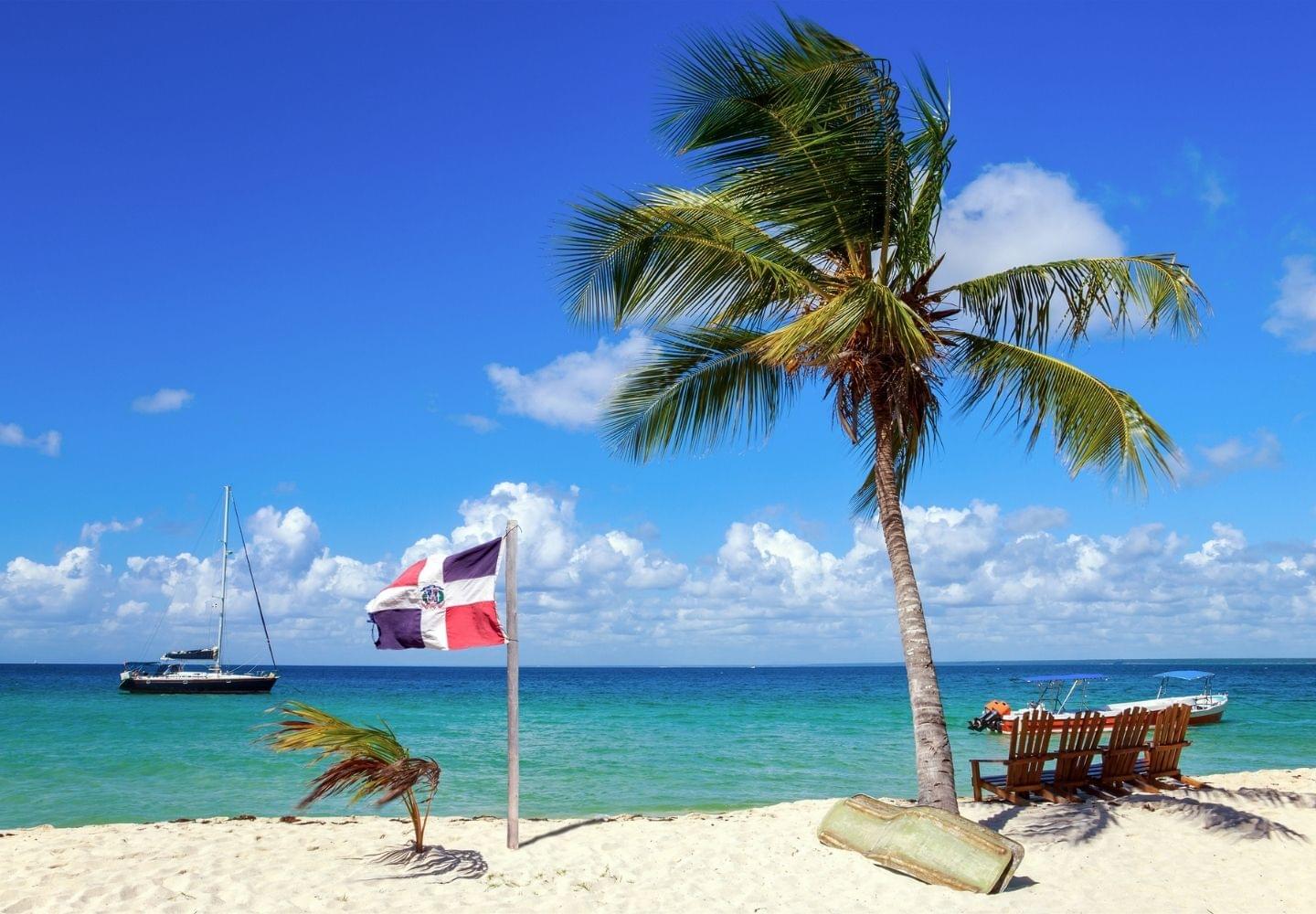
Saona is the most famous boat trip in the country. It is mostly a beach day, with a little snorkeling. Know that before you book.
The big stop is the Piscina Natural, the natural pool. It’s a sandbar out in the sea, about waist-deep, with starfish on the bottom. Even non-swimmers can stand and look. (If that’s you, read how to snorkel if you can’t swim before the trip.) Look at the starfish through your mask, but don’t lift one out of the water. It can kill the starfish, and it’s against the law. The marine police hand out fines.2
Pick a trip with a real snorkel stop. Seavis Bayahibe stops at Canto de la Playa, a quiet beach with coral gardens less than 5 feet deep. It also visits Mano Juan, a fishing village with a sea turtle project. It costs $105 for adults and $60 for kids, with park fees, lunch and gear. Your best chance to see sea turtles is a morning stop on the reefs between Bayahibe and Saona.
Most Saona trips from Bayahibe cost $60 to $89 for adults, with lunch and drinks. From Punta Cana, the same trip costs $10 to $25 more, for the bus.2 The Saona day trip with the natural pool is a good pick from Punta Cana.
Saona and the sea around it are part of Cotubanamá National Park. Tours include the park fee. If you go on your own, pay at the park booth in Bayahibe or Boca de Yuma.2
Is Punta Cana good for snorkeling?
Not from most beaches. The water off Bávaro and Punta Cana has a sandy floor, roped swim areas and lots of boats. The reef is about half a mile out, too far to swim.1
The exception is Cabeza de Toro, a small bay south of Bávaro. A small reef sits close to shore there, by the resorts. It has parrotfish, sergeant majors, butterflyfish and angelfish, and it’s part of a project that replants coral.1
For the real reef, take a boat. You have two good choices:
- A small reef boat from Punta Cana. A small-group reef catamaran out of Bávaro is a very different trip from the big party boats. Small trips to the Cabeza de Toro reef cost about $100 to $125 and take four to five hours.1
- A day trip to Catalina or Saona. Both pick up at Punta Cana hotels. It’s a long day, but it’s the best water in the country.
If snorkeling is the point, skip the party boats. They cost about $70 and make a short stop on the Bávaro reef.1
Sosúa Bay: the best snorkeling from the beach
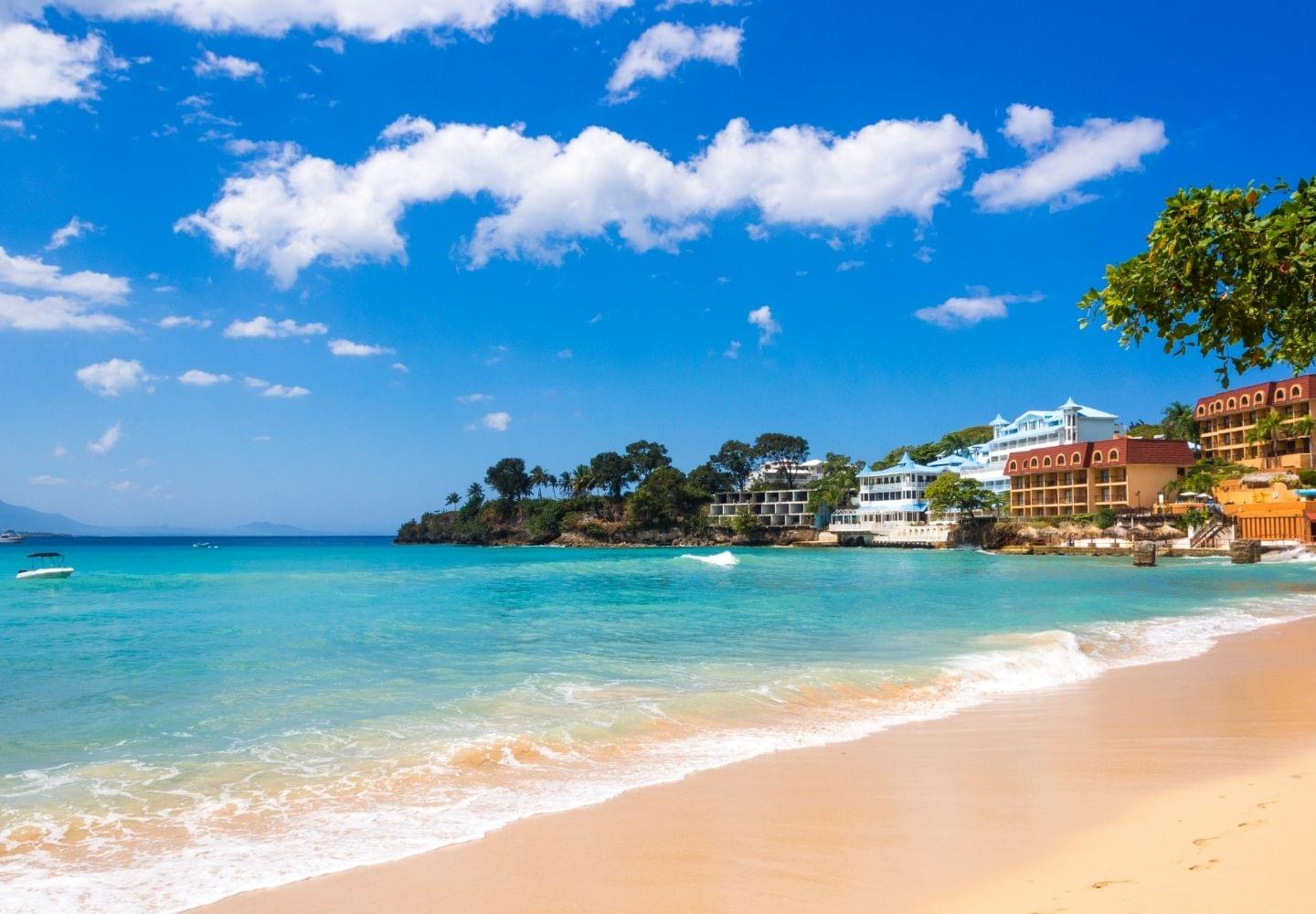
Sosúa Bay is the best place in the country to snorkel from the beach. It’s a calm, curved bay on a coast that is mostly rough surf, a short drive from Puerto Plata’s airport.
You walk in from the sand. The best reef is at Three Rocks and Los Cabezos, a short swim or boat ride out. Superior Dive Sosúa runs guided snorkels from the beach for $35, with gear and life vests. You’ll see blue tangs, yellowtail snappers and sergeant majors. The guides don’t feed the fish, which is a good sign in any operator.
The trip also swims over Atabey, a 16-foot statue of a Taíno water goddess on the sea floor. It was sunk to give coral a place to grow.
Go in the morning. In winter, big waves from the north can reach into the bay. On days when the surfers up the road in Cabarete are grinning, pick another day.
Puerto Plata hotel and cruise guests can book a half-day snorkel and beach tour. To stay right by the bay, see Sosúa’s hotels.
Cayo Arena: a sand island in clear water
Cayo Arena is a tiny sandbar off Punta Rucia, ringed by shallow reef in the clearest water on this coast. It’s a long day. You drive a long way west from Puerto Plata, then take a short speedboat ride. Most trips add a boat ride through the mangroves on the way back.
The full-day Cayo Arena tour picks up in Puerto Plata, Sosúa and Cabarete. Expect clouds of sergeant majors and snappers in chest-deep water. Try to be on the first boat out, before the crowds.
Samaná: whales first, then snorkeling
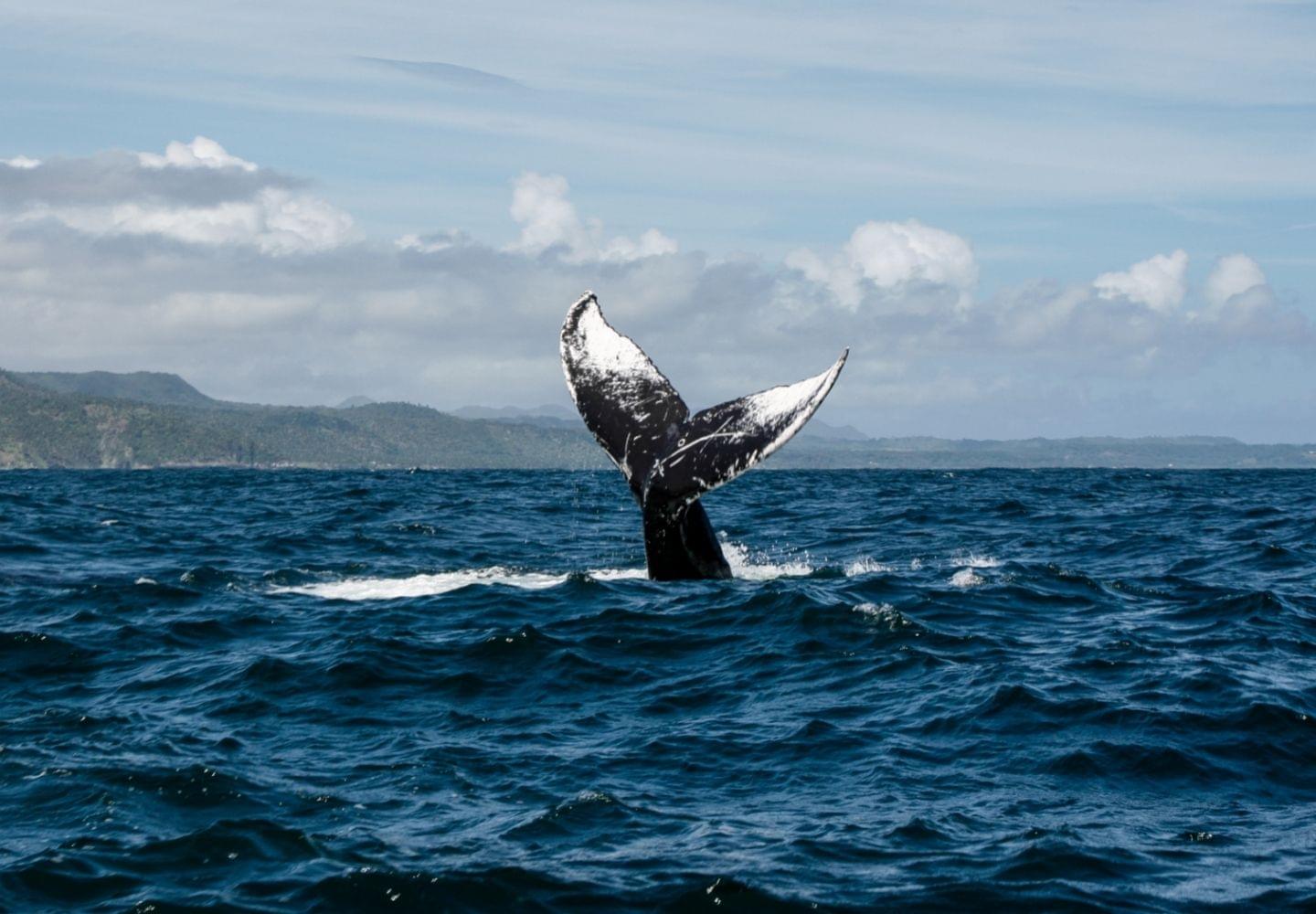
From January 15 to March 31, humpback whales come to Samaná Bay to mate and have their calves. The Environment Ministry opens the season each year.4 If your dates overlap, plan your trip around it. The busiest weeks run from early February to mid-March.
Book Whale Samana. It has run whale trips from Samaná town since 1983. Trips cost $65 for adults and $35 for kids. For $5 more, the boat drops you at Cayo Levantado, a small island in the bay, for a beach afternoon. In February, book ahead, because the good boats fill up.
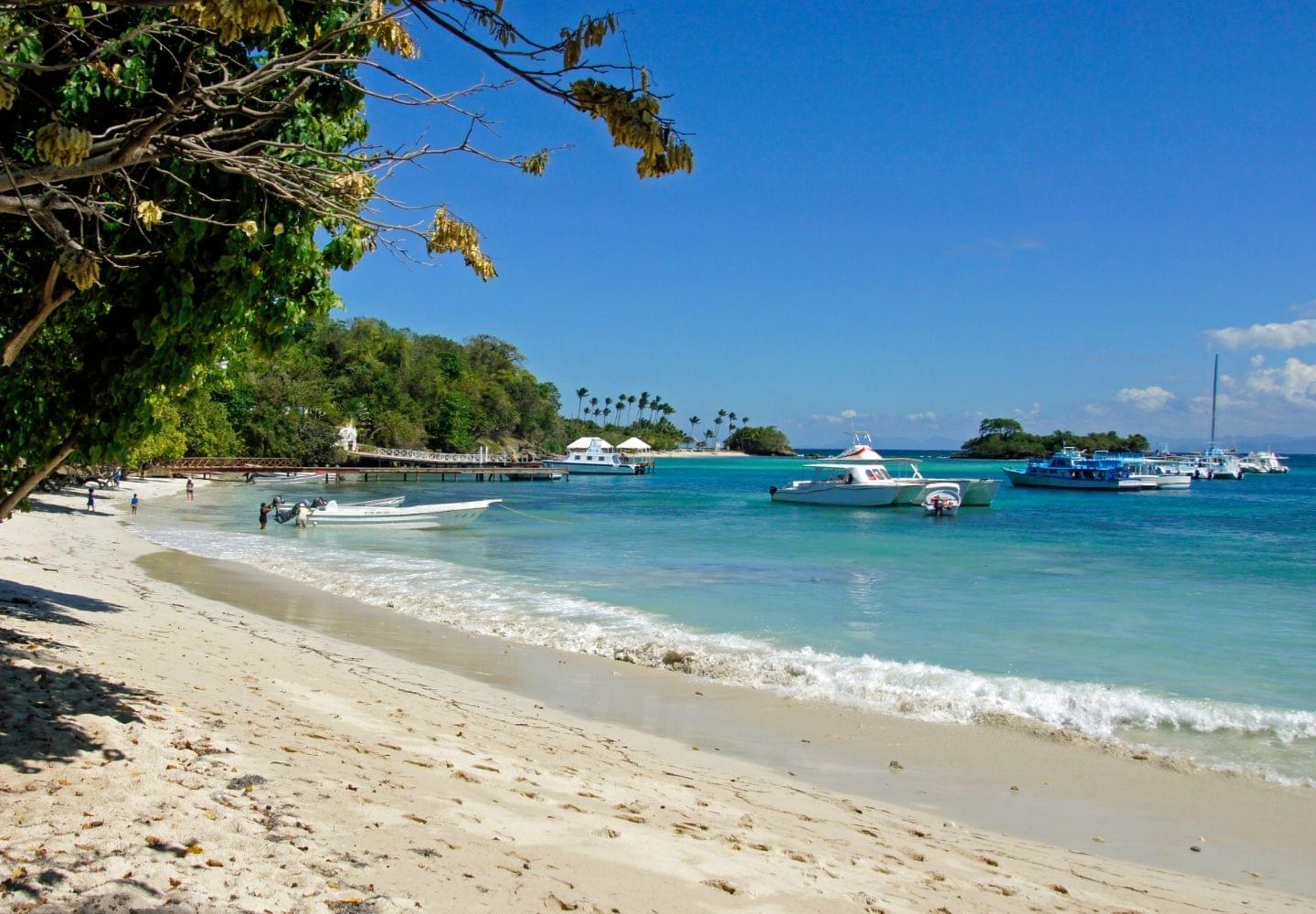
You watch from the boat. Swimming with whales is against the rules in Samaná Bay.4 To swim with them, you go to the Silver Bank, a shallow bank far out at sea, north of the DR. Only three boats hold permits, and each trip is about a week on board.5 Book about a year ahead. It’s the same whale migration that passes Turks and Caicos each winter.
For snorkeling, go to Playa Frontón, a beach under tall cliffs near Las Galeras. You can only get there by boat or a steep hike. Fishermen run small boats from the beach at Las Galeras. The ride takes 20 to 30 minutes and costs RD$800 to RD$1,500 per person, round trip (roughly $13 to $25). The water is very clear, with reef fish and sometimes turtles. There are waves and some current, so it’s for confident swimmers.
There is nothing at Frontón. Bring water, food and your own gear. Set a pickup time before the boat leaves you, since there’s no phone signal. Playa Rincón, the long, wild beach nearby, is better for a swim than a snorkel.
La Caleta, near Santo Domingo
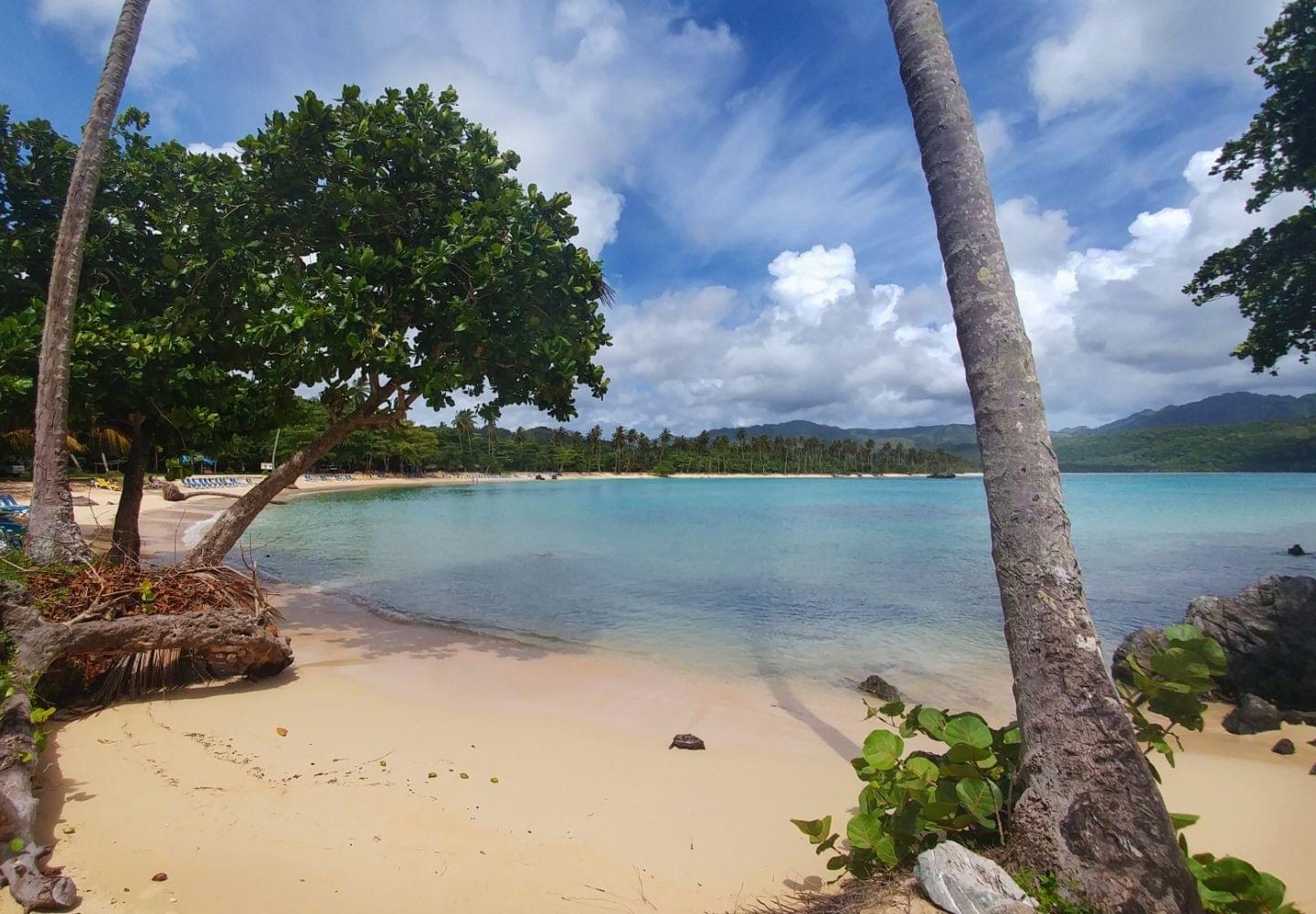
La Caleta Underwater National Park sits next to Las Américas airport, close to Boca Chica. Its famous wreck, the Hickory, was sunk in 1984 and lies about 60 feet down. That’s for divers. Snorkelers get the shallow reef, which is worth a look on a calm day, and the dive shops in Boca Chica take snorkelers along. It’s a good half day if you’re in Santo Domingo, but not worth a special trip.
When to go
February and March are the best months. The sea is calm and clear, there is little seaweed, and the whales are in Samaná.
| Months | What to expect |
|---|---|
| December to April | Dry season. Calm, clear mornings. Little seaweed |
| January 15 to March 31 | Humpback whales in Samaná Bay |
| May to August | Seaweed piles up on east-facing beaches like Bávaro |
| June 1 to November 30 | Hurricane season. Riskiest from mid-August to mid-October |
| September to November | Seaweed fades. The warmest water, which can bleach coral |
The water runs from about 80°F in March to about 85°F in September and October.6 A rash guard is all most people need. Our guide to what to wear snorkeling covers the rest.
Seaweed. Sargassum is a brown seaweed that drifts in from the Atlantic and piles up on beaches. 2025 was the worst year on record, and 2026 looks like the second worst.7 It hits the east-facing beaches of Punta Cana and Bávaro hardest. The south coast, around Bayahibe, faces away from it. By September the seaweed was fading fast, and it usually hits its low point around November.7
Storms. Hurricane season runs from June 1 to November 30. The peak is September 10.8 Big storms do hit this coast, and a cheap September deal is cheap for a reason. In any month, book your boat trip early in your stay. If the weather cancels it, you still have days to try again.
How healthy is the reef?
The reefs here have taken a beating. About 70% of Dominican reefs now have less than 5% living coral. Warm water and coral disease did much of the damage.9
2026 is another hot year. On September 25, NOAA had the south coast at Bleaching Alert Level 2. At that level many corals bleach, or turn white, and some die. The north coast was at Level 1.10 If you go this fall, expect to see some white coral.
What’s left is still worth the trip. The water is calm and clear, the fish are plentiful, and you’ll still see rays and turtles. Catalina is the best of it. In Bayahibe, the reef group FUNDEMAR runs a coral lab that raises millions of baby corals each year to replant.9 Your part is simple. Don’t touch, stand on or kick the coral.
The rules
- Don’t lift starfish out of the water at Saona’s natural pool. Out of the water, they can’t breathe.2
- Don’t touch or stand on coral, and don’t feed the fish.
- Saona and Catalina are protected parks. Tours include the small entry fee.
- In Samaná Bay, watch whales from the boat. No swimming with them.4
- No law bans any sunscreen here. Still, a mineral sunscreen (zinc oxide) or a rash guard is kinder to the reef.
Frequently asked questions
Is Punta Cana good for snorkeling?
Not from most of its beaches. The sea floor is sand, and the reef is about half a mile out. Cabeza de Toro has a small reef you can swim to. For the real thing, take a small reef boat, or a day trip to Catalina Island.
How much does a snorkel trip cost in the Dominican Republic?
From Bayahibe, a Catalina day costs about $90 to $100. A Saona day costs $60 to $105. Both include lunch and the park fee. From Punta Cana, add $10 to $25 for the bus. A guided beach snorkel in Sosúa is $35. Whale watching in Samaná is $65.
Can you snorkel from the beach in the Dominican Republic?
Yes, in a few places. Sosúa Bay on the north coast is the best. Cabeza de Toro in Punta Cana and the Dominicus beach at Bayahibe have small reefs near shore. The rest of the good spots, like Catalina and Saona, need a boat.
When is the best time to snorkel in the Dominican Republic?
February and March. The sea is calm and clear, there is little seaweed, and the whales are in Samaná Bay. Summer brings the most seaweed to Punta Cana's beaches. Mid-August to mid-October is the peak of hurricane season.
Can you swim with humpback whales in the Dominican Republic?
Not in Samaná Bay. There, the law says you watch from the boat. To swim with them, you need a week on a boat at the Silver Bank, far out at sea. Only three boats have permits, from January to April, so book a year ahead.
Resources
Footnotes
-
Punta Cana Travel Blog, “Snorkeling in Punta Cana: the best spots and reefs,” updated November 2025, puntacanatravelblog.com. ↩ ↩2 ↩3 ↩4 ↩5 ↩6 ↩7
-
Dominican Republic 365, “Saona Island Day Trip: Tours, Prices and Tips,” 3 July 2026, dominicanrepublic365.com. ↩ ↩2 ↩3 ↩4 ↩5
-
GetYourGuide, “Catalina Island Snorkeling, Dominican Republic,” Bayahibe tour listing, checked September 2026, getyourguide.com. ↩
-
Ministerio de Medio Ambiente, 2026 humpback season opening, 16 January 2026, ambiente.gob.do; IWC Whale Watching Handbook, “Samaná Bay,” wwhandbook.iwc.int; Arecoa, “Inicia temporada de ballenas jorobadas en Samaná,” swimming with whales banned, 13 January 2021, arecoa.com. ↩ ↩2 ↩3
-
Wildlife Worldwide, “Silver Bank,” on its three permits and January-to-April season, checked September 2026, wildlifeworldwide.com. ↩
-
Seatemperature.info, “Punta Cana water temperature,” monthly averages, checked September 2026, seatemperature.info. ↩
-
USF Optical Oceanography Lab, sargassum outlook of 31 August 2026, reported by St. Thomas Source, 1 September 2026, stthomassource.com. ↩ ↩2
-
NOAA National Hurricane Center, “Tropical Cyclone Climatology,” season dates and the September 10 peak, nhc.noaa.gov. ↩
-
Teresa de Miguel, “As reefs vanish, assisted coral fertilization offers hope in the Dominican Republic,” Associated Press, 16 December 2025, phys.org. ↩ ↩2
-
NOAA Coral Reef Watch, 5 km virtual stations “Southern Hispaniola” and “Northern Hispaniola,” data to 25 September 2026, coralreefwatch.noaa.gov. ↩
Nick Brisson — Co-founder, OutsiderView
Nick was born in Florida and grew up in Puerto Rico. He spent over ten years in Key West working in the boat charter industry, put four to five years into snorkeling and spearfishing the Florida Keys reef, and lives in Jacksonville Beach now, where he surfs year-round.