Snorkeling
Do you need to know how to swim to snorkel? A non-swimmer's guide
No. You can snorkel without swimming if you wear a snorkel vest, start in calm water, and have someone watching you. What to wear to float, where to start, how a guide helps, and your first swim step by step.
On this page
No, you don’t need to know how to swim to snorkel. You float face down on top of the water and breathe through a tube. A snorkel vest does the floating for you.
I guide snorkel tours on the coast of Croatia. People who can’t swim join my tours often. Most of them are nervous at the start. Most of them don’t want to get out at the end.
Why you don’t need to swim
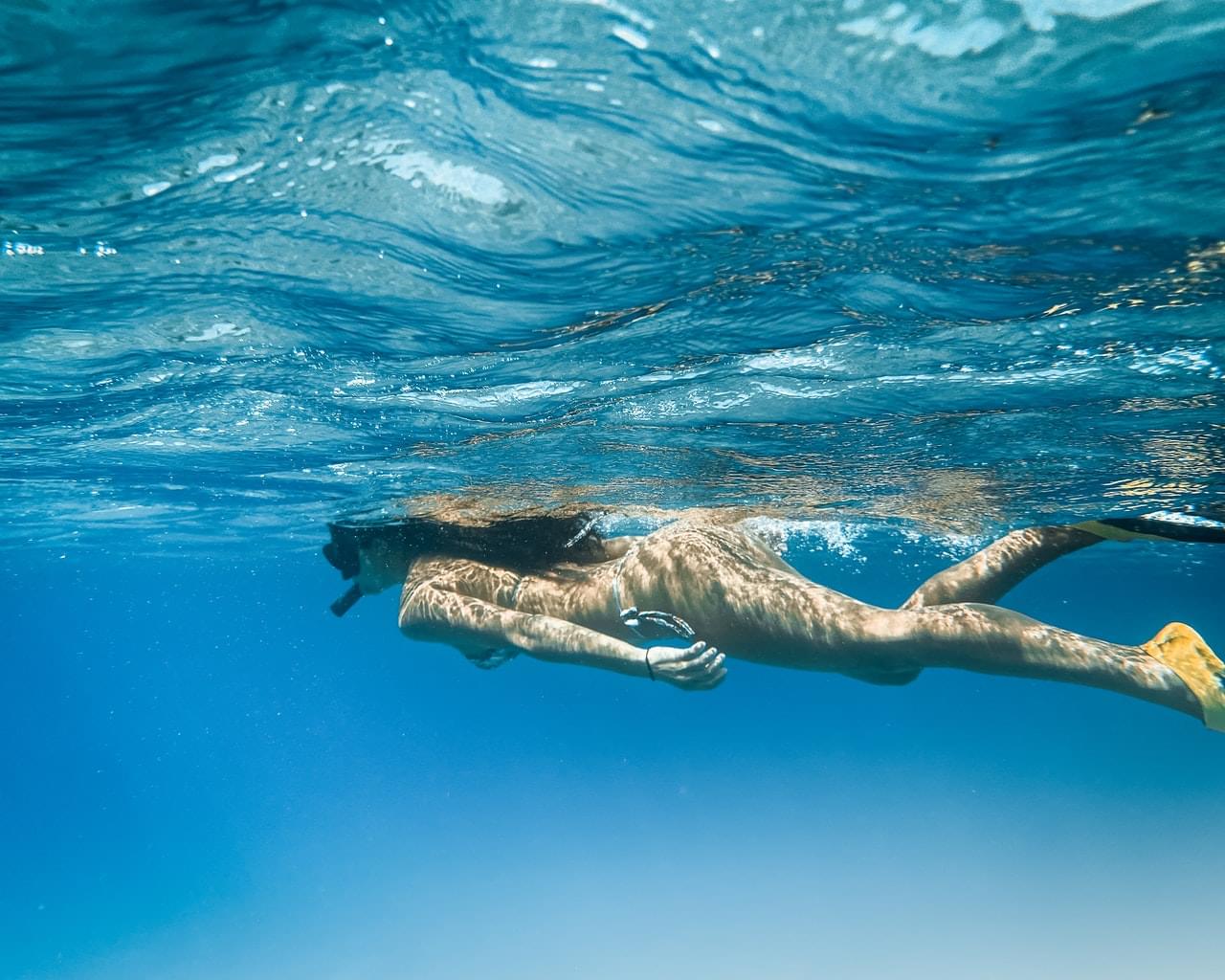
Snorkeling is not really swimming. You lie still on top of the water with your face in it. You breathe slowly through the snorkel. You kick a little with fins to move. The less you splash, the more fish you see.
Salt water helps, too. It is heavier than fresh water, so it holds you up a bit more than a pool does.1 If you want to know how the tube lets you breathe, read how a snorkel works.
So where does swimming help? It helps if you drift away, get tired, or lose your float. The three things above cover all of that. The vest keeps you up. Calm water keeps you from drifting. The person watching comes to get you.
Is snorkeling safe for non-swimmers?
Yes, with those three things in place. It also helps to know what the real risk is. Most people who can’t swim fear sinking. With a vest on, you won’t sink.
Hawaii keeps close records on snorkel deaths. From 2009 to 2018, 91% of the snorkelers who died there were visitors. Three in four were between 45 and 75 years old.2 Hawaii’s Snorkel Safety Study also asked 131 snorkelers who got into trouble and lived what went wrong. Of those, 88% said they could swim well enough.3
So being a good swimmer did not keep them safe. In many cases, the trouble started with sudden shortness of breath, weakness, or feeling very tired.4 That gives you the most important rule on this page. If you feel short of breath, stop and get out.
What to wear to float
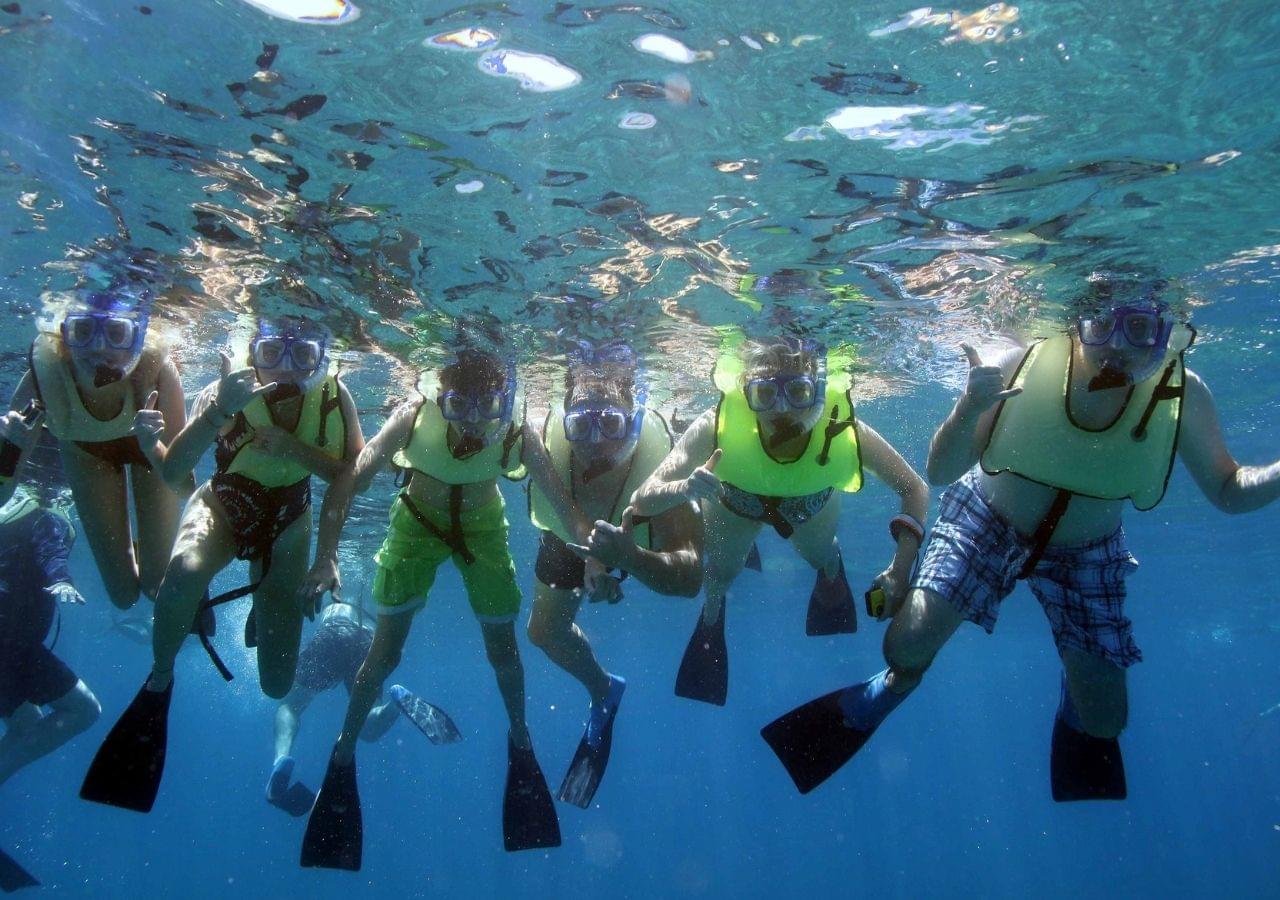
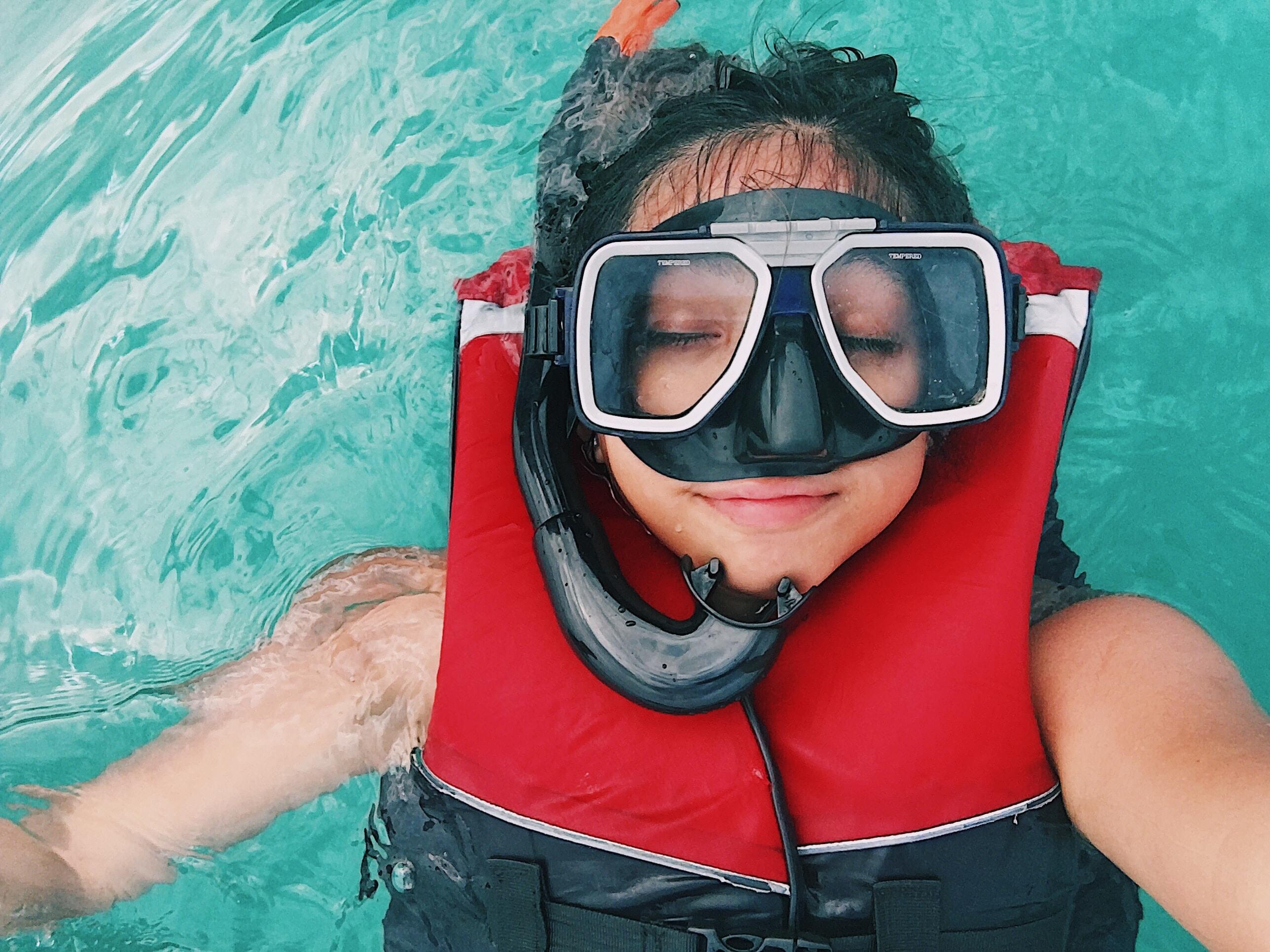
A snorkel vest is the best choice for most non-swimmers. It is a soft vest you blow up by mouth, through a short tube on the front. Add air and you float higher. Let some out and you sit lower. It keeps you flat and face down, which is how you snorkel. To pick one, see the best snorkel vest for a non-swimmer.
A foam life jacket also keeps you up. But it holds you upright with your face out of the water, so it is hard to look down at the fish. If a boat has only life jackets, wear one. It is far better than nothing. Here is the full snorkel vest vs. life jacket comparison.
| What you wear | How it holds you | Enough for a non-swimmer? |
|---|---|---|
| Snorkel vest | Flat and face down, as high as you like | Yes, with someone watching you |
| Foam life jacket | Upright, face out of the water | Yes, but it is hard to look down |
| Pool noodle or kickboard | Only while you hold on | No. If you let go, it floats away |
Know what a vest can’t do. It keeps you on top of the water. It will not turn you face up if you pass out, and neither will the life jackets most boats carry.5 Even the lightest class of Coast Guard-approved float is “not recommended for weak or non-swimmers.”6 That is why you need a person watching. The vest keeps you up. The person keeps you safe.
A vest or jacket should fit snug. If you can pull it up past your chin or ears, it is too big.7 Keep it on the whole time, even in shallow water and even when you feel fine.
The rest of your gear:
- Mask. Hold it to your face with no strap and breathe in through your nose. If it sticks, it fits.
- Snorkel. Pick a plain one with a wide tube. The lung doctor on Hawaii’s snorkel study team says to skip narrow valves.3
- Fins. They let you move with small, slow kicks. Try them in the shallows first.
- No full-face mask. It is harder to clear of water and harder to pull off fast.4 A normal mask and snorkel come off in one move.
For sun and warmth, see what to wear snorkeling.
Where to start: calm water you can stand in
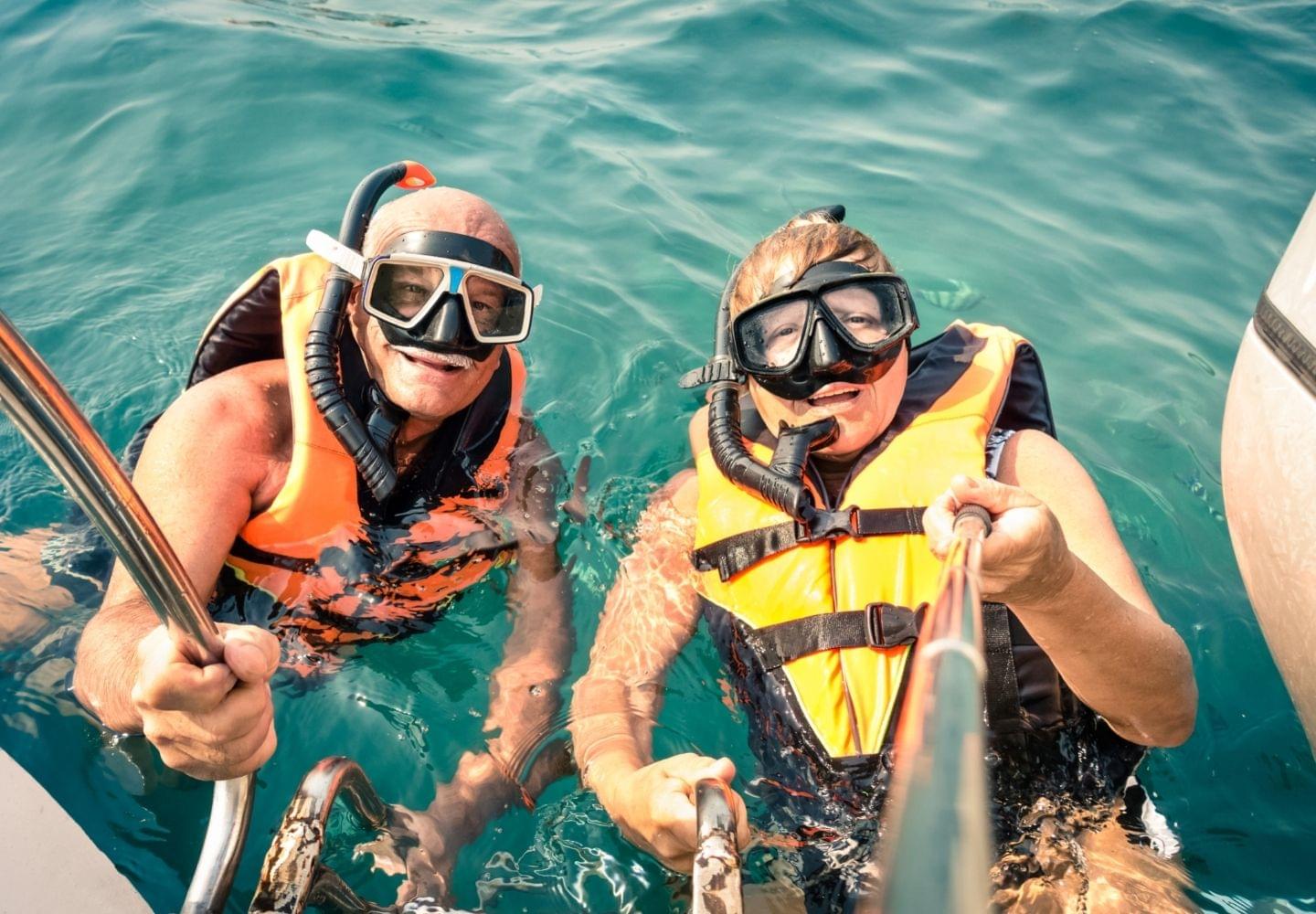
Your first time in the water should be where you can stand. A pool is great. So is a calm, sandy beach where the water comes up to your chest. Water Safety USA says people who can’t swim well should stay in shallow water, wear a life jacket, or be watched closely.8 For your first swim, do all three.
Once you feel calm there, float out over deeper water with your vest on. Depth matters less than you think once you are floating. What matters is how far you are from the shore or the boat, and if the water is moving you.
Here is how to pick your spot:
- A beach with lifeguards. The chance of drowning at a beach with lifeguards is 1 in 18 million.9
- Sand to walk in on. Rocks and coral cut feet, and sea urchins sting. You also need an easy way out when you are tired.
- No waves. A small wave knocks over a person who is standing much more easily than one who is floating.
- No wind, or wind blowing toward the shore. Wind blowing out to sea can push you away without you noticing. It is the first thing I check before a tour.
- No current. Watch the water for two minutes first. Look for a channel of choppy water, a patch of different color, or foam moving out to sea.10 Stay out of it.
Rip currents can form on calm, sunny days.9 If a lifeguard or a local guide says today is a bad day, believe them.
How a guided trip helps
For your first time, go with a guide. The main reason is not the lesson. It is that someone’s whole job is to watch you.
A good guide will:
- Fit your vest and mask before you get in
- Pick a calm spot for the day’s wind
- Stay in the water near you, often with a float you can hold
- Take you back when you are tired, not when the group is done
Lots of trips say they are “good for non-swimmers.” Ask these questions before you book:
- How many guides get in the water with the group?
- Do you have snorkel vests, or only life jackets?
- Where do you go when it is windy?
- Can I stay close to the guide or the boat?
Then say the words “I can’t swim” out loud. Say it before you get on the boat, not once you are in the water. I am never upset to hear it. The guest I watch most closely is always the one who told me.
Scuba is not the same. To get a scuba card, you have to pass a swim test. If you are choosing between the two, read snorkeling vs. scuba diving.
Your first swim, step by step
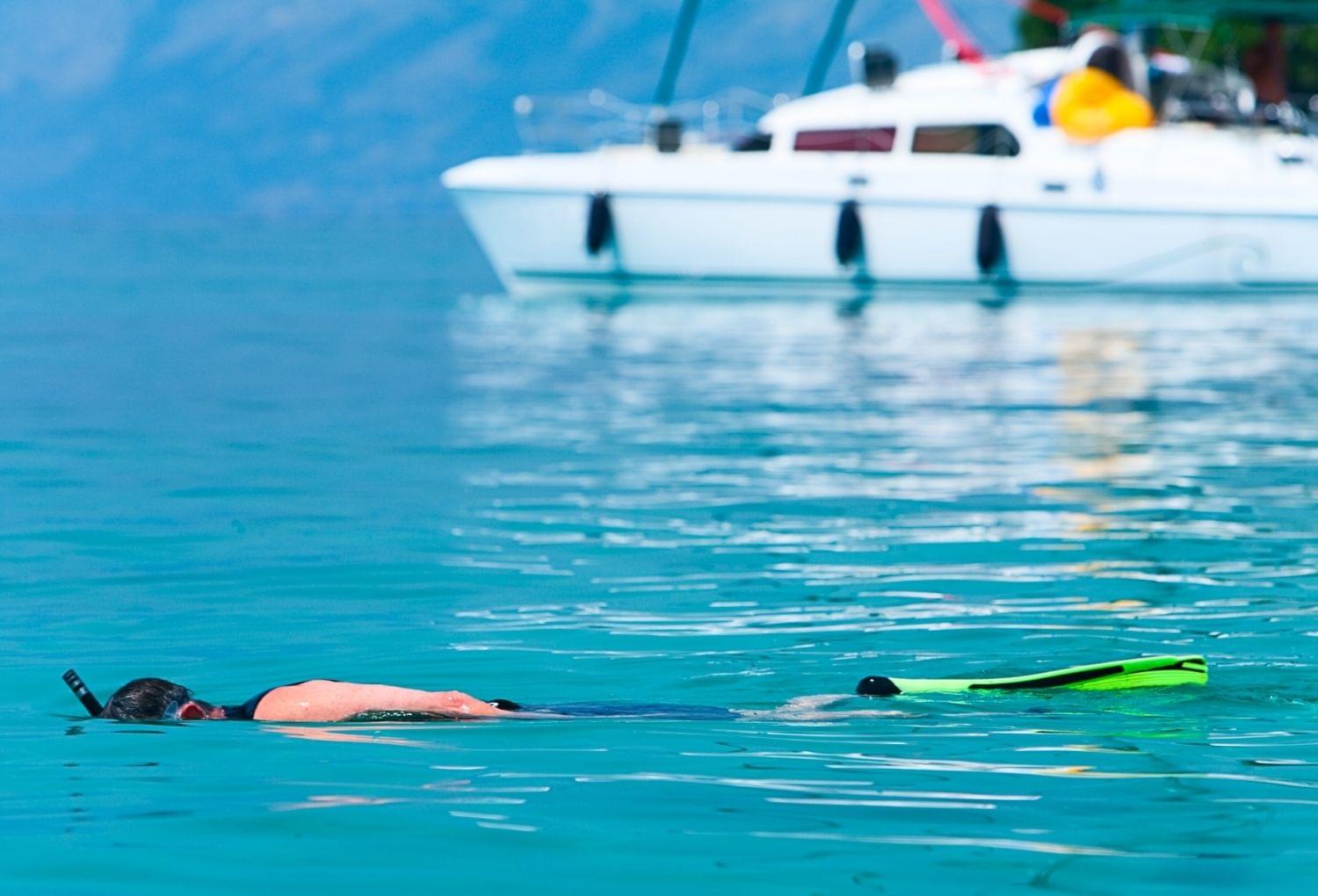
- Practice first. In a pool, stand up and put your face in the water. Breathe slowly through the snorkel. Keep going until it feels boring.
- Learn to float on your back with the vest on. This is your rest spot. If anything feels wrong, roll over and lie there.
- Blow up your vest on the shore. Make it firm for your first swim. You can let air out later.
- Put on your fins in knee-deep water. Walk backward in them. Walking forward in fins trips people.
- Walk in to about waist deep. Stand, put your face in, and breathe. Stand up any time you want.
- Lean forward and let the vest hold you. Keep your arms still. Kick slowly from your hips.
- Agree on signals with your helper. A hand on top of your head means “I’m OK.” A waving arm means “Come get me.”
- Stay close. Keep your helper a few kicks away, no more.
- Get out before you are tired. Twenty minutes is a good first swim.
Water will get into your snorkel at some point. It happens to everyone. Lift your head, take the snorkel out, and breathe. You are floating, so there is no rush. To learn how to blow it clear, see how to snorkel without swallowing water.
If something feels wrong
- Water in your mask or snorkel. Stop, lift your head, and breathe the air. Then fix it.
- Short of breath, weak, or your heart is racing. Take off your mask and snorkel. Roll onto your back and wave for help. Then get out of the water, and tell someone, even if you feel better.4
- Drifting away from shore. Relax and float. A current will not pull you under.10 Do not fight it. Wave your arms and call for help.
When to stay out of the water
- The wind is blowing out to sea.
- There are waves, or you can see a current.
- There is no vest or life jacket for you.
- Nobody knows you can’t swim, or nobody is watching you.
- You feel sick, short of breath, or very tired.
- You have a heart or lung problem and have not asked your doctor. Ask before the trip, not on the boat.
None of these means you can’t snorkel. They mean not today, or not here.
Frequently asked questions
Frequently asked questions
Can you snorkel if you can't swim?
Yes. Wear a snorkel vest, start in calm water where you can stand, and go with someone who knows you can't swim and will watch you. A guided trip is the easiest way to get all three. The guide brings the vest, picks the spot, and stays in the water with you.
Who should not go snorkeling?
Wait for another day if you feel sick, short of breath or very tired. Wait if there is no vest for you, or no one to watch you. Wind blowing out to sea, waves and currents are all reasons to stay out. If you have a heart or lung problem, ask your doctor before the trip.
Do you need to know how to swim to scuba dive?
Yes. Scuba is not like snorkeling here. To pass the PADI Open Water course, you swim 200 meters without stopping, with any stroke, and float or tread water for 10 minutes (PADI). If you can't swim yet, start with snorkeling.
Should a non-swimmer use a full-face snorkel mask?
No. A full-face mask is harder to clear of water and harder to pull off in a hurry. A normal mask and a plain snorkel are the better pair. If you get scared, you can pull the snorkel out of your mouth and breathe fresh air right away.
Is snorkeling hard for beginners?
Not for most people. The strange part is breathing through a tube with your face in the water. Practice that in a pool, standing up, until it feels boring. Then add the vest and float. Small steps make it easy, and you will be looking at fish on your first day.
How deep is the water when you snorkel?
It depends on the spot. At a beach you may start waist deep. Boat trips often stop over water far deeper than you are tall. With a vest on, you float the same either way. What matters more is how far you are from the boat or the shore.
References
Footnotes
-
Pawlowicz, R. “Key Physical Variables in the Ocean: Temperature, Salinity, and Density.” Nature Education Knowledge, 2013, nature.com. ↩
-
Galanis, Dan. “Fatal Ocean Drownings, 2009–2018.” Hawaii State Department of Health, Injury Prevention and Control Section, health.hawaii.gov. ↩
-
Lou, Alicia. “Snorkel Safety Study Sheds Light On Unexplained Drownings In Hawaii.” Honolulu Civil Beat, July 8, 2022, civilbeat.org. ↩ ↩2
-
Weinman, Steve. “Red flags for snorkelers: how to stop the quiet deaths.” Divernet, August 8, 2022, divernet.com. ↩ ↩2 ↩3
-
“Life Jacket Types.” BoatUS Foundation, accessed September 2026. Which types turn an unconscious wearer face up, boatus.org. ↩
-
“New US Coast Guard PFD Approval System.” NRS, January 29, 2021. The Level 50 buoyancy aid description, nrs.com. ↩
-
“Life Jacket Wear: Wearing Your Life Jacket.” US Coast Guard Boating Safety, accessed September 2026. How a life jacket should fit, uscgboating.org. ↩
-
“Water Competency.” Water Safety USA, accessed September 2026. Basic skills, and advice for weak and non-swimmers, watersafetyusa.org. ↩
-
“How to Avoid Getting Caught in a Rip Current.” National Weather Service, NOAA, accessed September 2026, weather.gov. ↩ ↩2
-
“Rip Currents.” Discover Your World, NOAA National Ocean Service, accessed September 2026. Warning signs and what to do, oceanservice.noaa.gov. ↩ ↩2

Rebecca Jambrovic — Snorkeling and kayaking guide
Rebecca lives next to the Adriatic Sea in Croatia, where she guides kayaking, stand up paddleboarding, and snorkeling tours. She is passionate about outdoor activities and enjoys writing pieces that inspire others to get outside.